
How to Remove Rust Stains From Bathtub: 2026 Reno Guide
Learn how to remove rust stains from bathtub surfaces with our 2026 Reno guide. Use DIY tips for hard water or call Altitude Cleaning Crew for expert help!
If you're searching for how to remove rust stains from bathtub surfaces in Reno or Sparks, you're probably looking at the same orange streaks that keep coming back no matter how often you wipe the tub down. This matters here because the fix isn't just scrubbing harder. In Reno-Sparks homes, the stain usually points back to our water, the way tubs dry out in the high desert, and the surface you're cleaning.
For homeowners, renters, Airbnb hosts, and property managers, the goal is simple: get the tub clean without wrecking the finish, then keep it from staining up again before the next guest, inspection, or weekend reset.
Your Guide to a Rust-Free Bathtub in Reno and Sparks
Bathtub rust is one of those problems that makes an otherwise clean bathroom look neglected fast. In Reno, Sparks, Spanish Springs, South Reno, and places like Somersett or Damonte Ranch, it shows up around the drain, under the faucet, at the overflow plate, and along the waterline where mineral-heavy droplets keep drying out.
Opening takeaways
- The local cause matters: In Reno-Sparks, rust stains usually come from hard water residue and iron deposits, not just an old tub.
- Material comes first: Porcelain, enamel, acrylic, and fiberglass don't all handle the same cleaner.
- Light stains respond fast: Mild rust can often be loosened with gentle acid-based DIY methods.
- Set-in stains need better judgment: Older rust may need oxalic-acid products or a professional deep clean.
- Prevention saves effort: Wiping down the tub and staying ahead of mineral buildup matters more here than in wetter climates.
A lot of generic internet advice treats every tub like it's the same. It isn't. A porcelain tub in an older Midtown Reno home can handle products and agitation that would scratch or dull a lighter acrylic tub in a newer South Reno apartment.
That's why the right approach is less about finding one miracle cleaner and more about matching the method to the tub, the stain, and how long the buildup has been sitting there.
Practical rule: If the stain keeps returning in the same spots, clean the mark, but also assume the water and daily evaporation pattern are part of the problem.
What We See in Reno-Sparks Homes The Real Cause of Bathtub Rust
You clean the tub on Saturday, and by midweek that orange ring is back around the drain or under the faucet. In Reno and Sparks, that usually points to the water, the fixture hardware, or both.
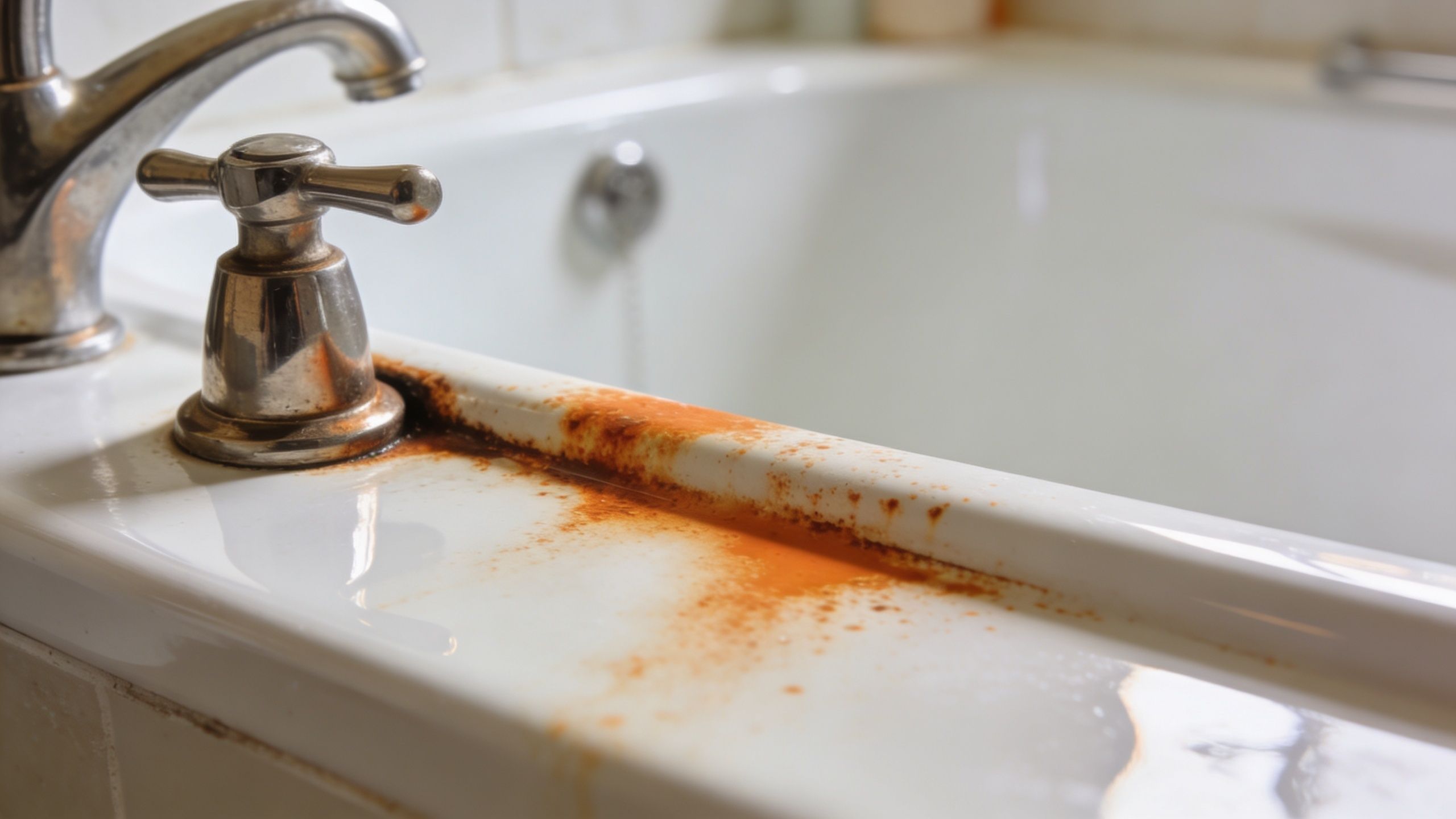
What shows up as a “rust stain” in local tubs often starts as mineral-heavy water drying on the surface over and over. Hard water leaves calcium and magnesium behind. If iron is in the mix, those deposits can turn orange-brown as they oxidize, especially around metal trim, overflow plates, drain assemblies, and any spot where a drip lands in the same place every day.
What this looks like in local homes
In South Reno and Damonte Ranch, we often see bright white tubs with light orange halos around newer chrome fixtures. The finish looks clean at first glance, but the stain stands out fast because the surface is still smooth and light-colored.
Older Midtown and Wells Avenue bathrooms usually tell a different story. There, the stain is often mixed with years of mineral scale and past scrubbing. Once that surface gets a little worn, the discoloration grabs on harder and comes back faster.
Northwest Reno, Somersett, and Spanish Springs homes also deal with fast evaporation. A few leftover droplets after a shower can dry into a visible outline by the next day. That is why the same homes that fight tub rust usually also fight chalky buildup on shower glass and faucets. If that sounds familiar, our guide on removing hard water stains explains the broader pattern.
Why Reno makes the issue worse
The high-desert climate is a big part of it. Bathrooms dry quickly here, so water does not stay diluted on the tub surface for long. It evaporates and leaves concentrated minerals behind.
The trade-off is simple. Fast drying helps with mildew compared with wetter climates, but it is rough on fixtures and tub finishes when the water is hard. Add an older faucet with a slow drip, a rusty screw behind an overflow plate, or cheap drain hardware starting to corrode, and the stain gets darker and more stubborn.
Homeowners often assume the tub itself is rusting. Sometimes that happens on damaged porcelain over steel, especially if the finish is chipped. More often, the tub is acting like a landing pad for iron and mineral residue coming from the water or nearby metal parts.
If you want a clear explanation of the water side, Water Filter Advisor's guide for clean water gives a useful breakdown of how iron gets into household water and why it keeps showing up on bathroom surfaces.
In Reno-Sparks homes, rust stains usually point to hard water, repeated evaporation, and metal trim that stays wet, not just an old bathtub.
Before You Clean First Identify Your Bathtub Material
This is the step many homeowners skip, and it's where a lot of damage starts. The wrong cleaner or the wrong scrubber can leave a tub looking worse than the stain did.
A cleaner that works well on porcelain can scratch acrylic. A harsh acidic approach that lifts rust from a glazed surface can leave softer material dull or etched. Before you try to remove rust stains from bathtub surfaces, figure out what the tub is made of.
Quick ways to tell what you have
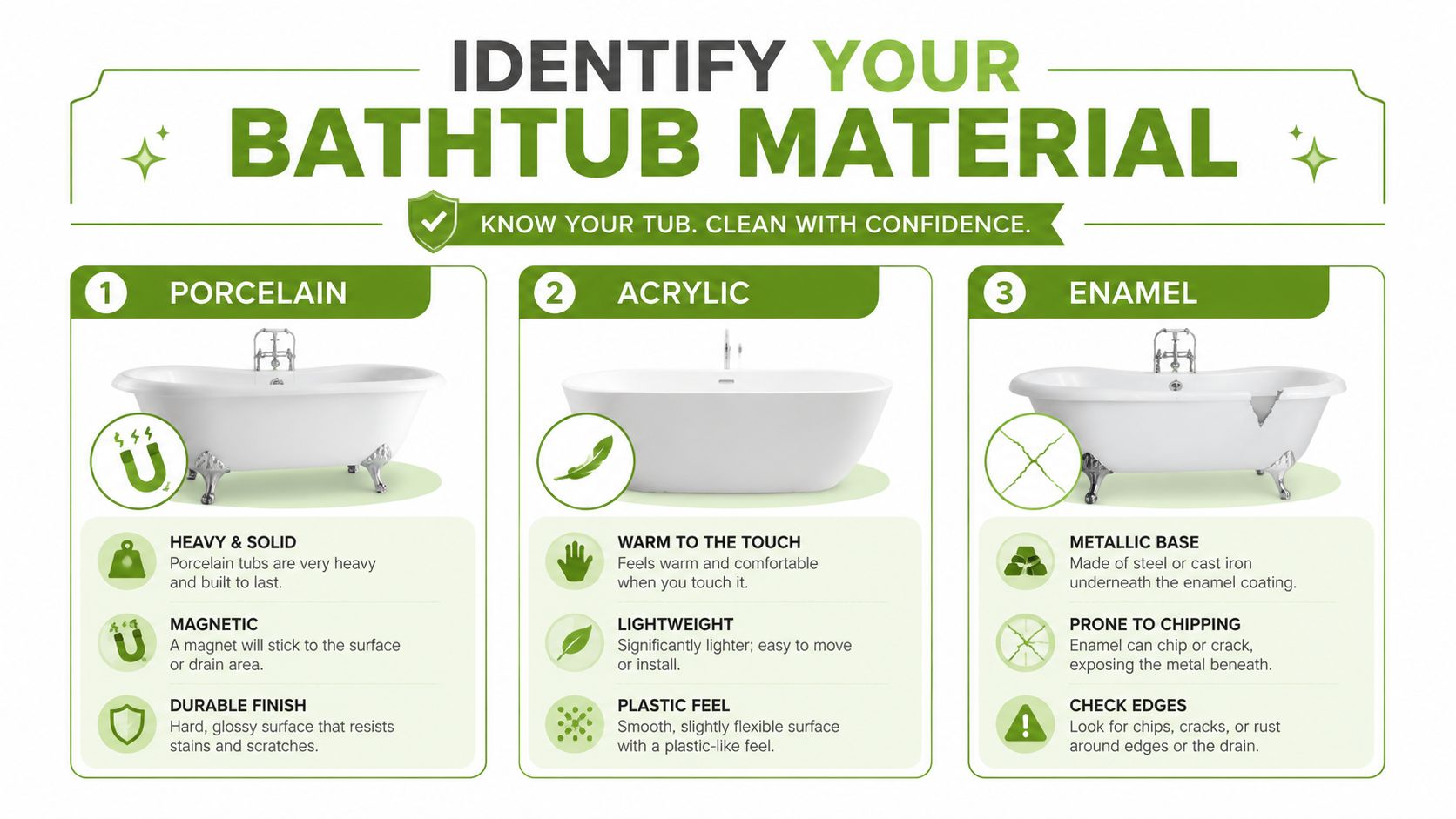
Start with a magnet. If a magnet sticks, there's likely a metal base under the finish. That usually points to porcelain-coated steel or enamel over metal.
Then check the feel. Acrylic and fiberglass tend to feel warmer and lighter. Porcelain and enamel usually feel colder, harder, and more solid.
Tap the side wall of the tub gently with a knuckle. A metal-backed tub often gives a sharper sound. Acrylic and fiberglass usually sound a bit more hollow.
Bathtub Material Identification Guide
| Material | Magnet Test | Look & Feel | Vulnerable To |
|---|---|---|---|
| Porcelain | Usually sticks if over steel | Hard, glossy, cool to touch | Chipping from impact, scratching from harsh abrasives |
| Enamel | Often sticks if over metal | Smooth, shiny, slightly glassy finish | Chipping, dulling from repeated harsh treatment |
| Acrylic | Won't stick | Warmer, lighter, slightly softer feel | Scratches, dull spots, chemical damage |
| Fiberglass | Won't stick | Lightweight, less dense feel, can flex slightly | Scratches, wear, surface dulling |
Local clue that helps
In older Reno and Sparks homes, especially remodels done in phases, the tub material and the vanity top often don't match in age or finish. That matters because people assume “bathroom safe” means safe for everything in the room. It doesn't.
If you've got a fiberglass tub that's already faded or worn, it helps to understand what resurfacing or refinishing can look like before you get aggressive with cleaners. This piece on revamping fiberglass tubs is a helpful reference. For routine upkeep, this guide on the best cleaner for fiberglass bathtubs is the safer starting point.
Use this test mindset: If you can't confidently name the tub material, don't jump straight to powders, pumice, or strong acid products.
Safe DIY Methods to Remove Rust Stains from Your Bathtub
In Reno and Sparks, a lot of bathtub "rust" is really two problems stuck together. Iron staining from hard water sits on top of calcium scale, and that combo is why a quick wipe usually does nothing. The right DIY fix depends on how old the stain is and how tough the tub surface is.
For porcelain and enamel tubs
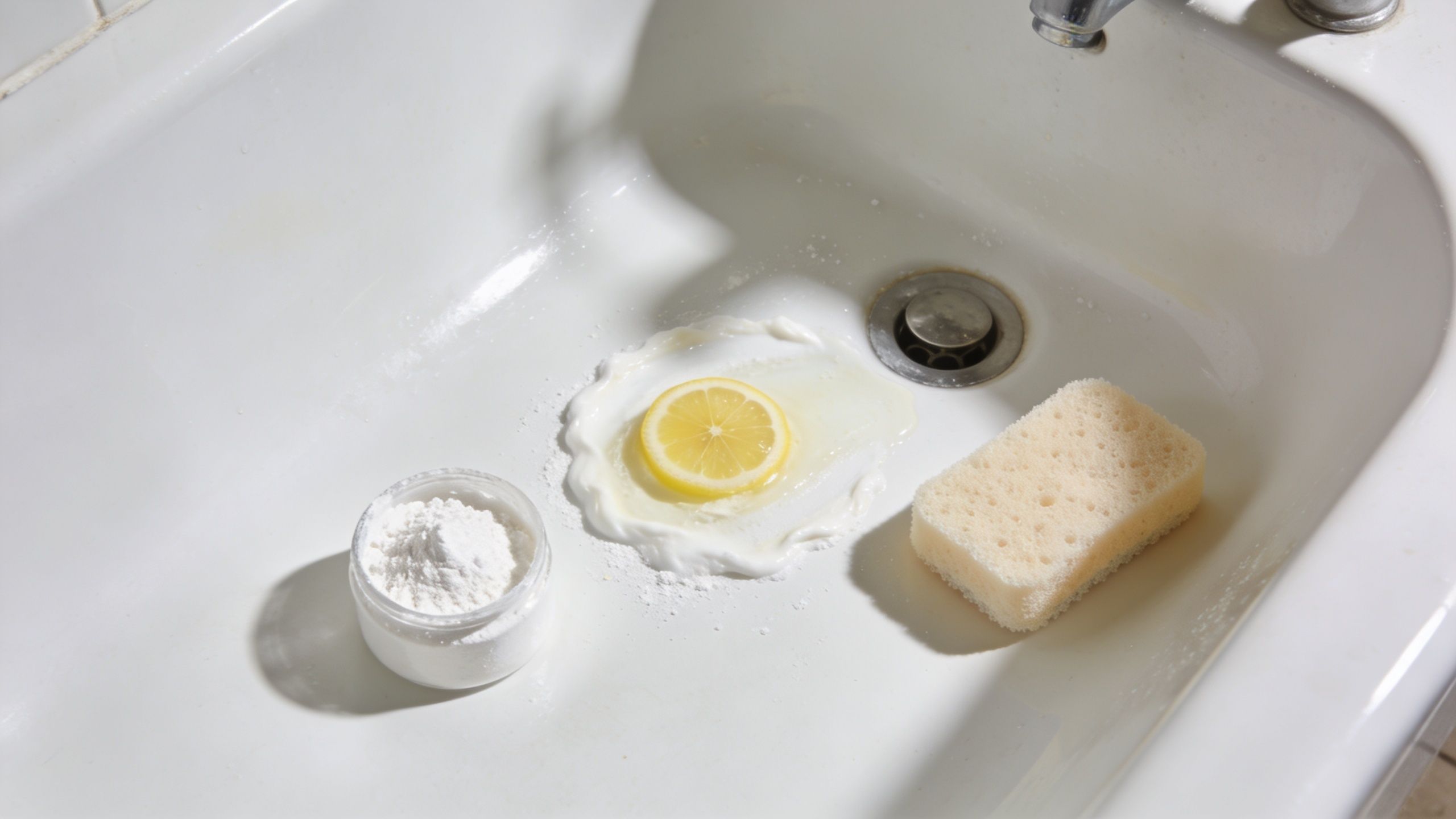
Porcelain and enamel give you more room to work, but they still scratch if you get impatient. For light to moderate rust, start with a baking soda paste dampened with a small amount of white vinegar or lemon juice. The paste should cling to the stain, not run down the tub.
Use this method:
- Dry the stained spot with a towel.
- Apply the paste directly over the orange mark.
- Let it sit for a few minutes.
- Rub with a non-scratch sponge or soft nylon brush.
- Rinse well and inspect before doing a second pass.
This usually handles fresh drip marks around the faucet side of the tub, small rings from metal cans, and the orange film that builds where hard water dries slowly.
For stains that are darker or older, an oxalic-acid cleaner can work well on glazed porcelain or enamel if the finish is still in good shape. Follow the label, test a hidden area first, and keep it off metal trim longer than necessary. I tell people the same thing I tell clients in older Reno homes. If gentle pressure is not changing the stain, harder scrubbing is more likely to dull the surface than solve the problem.
If you want a visual on gentle technique before you start scrubbing, this clip is useful:
For acrylic and fiberglass tubs
Acrylic and fiberglass need a lighter hand. These tubs stain more easily once the surface starts wearing down, and they also show scratch damage fast. A harsh cleaner can leave you with a dull patch that looks worse than the original rust.
Start with a mild acidic treatment such as lemon juice or white vinegar on a soft cloth. Let it dwell briefly, then wipe. If the stain remains, repeat once or twice before trying anything stronger. Keep abrasives, pumice, stiff brushes, and gritty powders away from these surfaces.
A safe process looks like this:
- Lightly dampen the stain.
- Apply the cleaner only where needed.
- Let it sit briefly while watching the surface.
- Wipe with microfiber or a soft sponge.
- Rinse and dry so you can see what changed.
Plastic-based tubs often have rust marks mixed with soap film and general yellowing, so the stain can look worse than it is. If that sounds familiar, this guide on how to clean plastic bathtubs helps with the broader cleanup.
What usually responds to DIY cleaning
Fresh stains are the best candidates. So are thin orange lines under a slow drip, rust around an overflow plate, and surface staining sitting on top of visible hard water buildup.
Old stains are different. If the finish is worn, the rust can settle into tiny pits and keep a faint orange shadow even after the deposit is gone. That is common in older acrylic and fiberglass tubs around Reno-Sparks where mineral-heavy water has been drying on the same spot for years.
What causes trouble
Repeated heavy scrubbing, random powder cleansers, and mixing cleaners without checking the label. I see that a lot in rental turnovers. Someone attacks the stain with whatever is under the sink, and the tub ends up dull, scratched, or blotchy.
If one careful pass lightens the stain, repeat the same method. If nothing changes, stop and reassess before you damage the finish.
When to Use Commercial Rust Removers and Which to Choose
You see this a lot in Reno. The tub has the same orange streak under the faucet month after month, the water is hard, and the stain has baked on long enough that vinegar barely dents it. That is usually the point where a commercial rust remover makes sense.
I don't reach for a strong product first. I use one when the stain is dark, concentrated, and still holding after a careful DIY pass. In Reno-Sparks homes, that usually means rust has mixed with mineral scale, so you are not just removing color. You are breaking through a hard deposit that keeps grabbing new rust every time the area gets wet.
Use store-bought removers when
- The stain has been there a while: Older rust around drains, overflows, and faucet drips is often too set in for mild acids alone.
- The mark is small but stubborn: A targeted remover works better than scrubbing a whole tub and wearing down the finish.
- Hard water has built a crust over the stain: That is common here, and it changes how the stain behaves.
- You want a spot treatment, not a full tub cleaner: These products are for specific problem areas.
Be careful with the trade-off
Commercial removers save effort, but they narrow your margin for error. That matters in older Reno bathrooms where ventilation is weak and the tub finish may already be worn thin.
Gloves are a good idea. Eye protection is smart, too. Open the window, run the fan if it pulls air out, apply a small amount right on the stain, and rinse well. If the label is vague about your tub material, stop there and choose something else.
Which type to choose
For porcelain or enamel over steel or cast iron, an oxalic-acid rust remover is usually the best starting point. It is strong enough for many set-in stains without jumping straight to the harshest liquid products.
For acrylic and fiberglass, label clarity matters more than speed. These surfaces are common in newer Reno-Sparks homes and many rental units, and they scratch or haze much faster than porcelain. If the product is not clearly marked as safe for acrylic or fiberglass, skip it.
Gel formulas are often easier to control on vertical rust streaks. Liquid removers can work fast, but they also spread fast, which raises the odds of dulling a finish or irritating your skin.
If rust keeps returning no matter what remover you use, the cleaner is only solving part of the problem. The water is usually the bigger issue. This overview of protecting your home from hard water is useful if you are trying to figure out why the same tub keeps staining again.
Use commercial rust removers as a spot tool. That is where they earn their keep.
Long-Term Prevention How to Keep Rust Away for Good
A lot of Reno and Sparks homeowners clean the orange ring, feel good for a week, then watch it creep back around the drain or under the faucet. That usually means the stain source is still active. In this area, hard water keeps feeding the problem, especially in bathrooms where water sits on the same spots day after day.
Prevention works best when you treat the water pattern, not just the stain. In older Reno homes, I see the same repeat offenders all the time. A slow drip at the spout. Water pooling around a worn drain flange. Soap bottles trapping moisture on the tub ledge. Those are small things, but they keep minerals and rust residue in contact with the finish long enough to leave a mark.
Habits that make the biggest difference
- Wipe the tub dry after the last use of the day. Focus on the drain, overflow plate, faucet area, and any spot where water beads up instead of running off.
- Fix slow faucet drips and leaky overflow hardware. Constant moisture creates the same rust line in the same place.
- Keep metal containers off the tub edge. Shaving cream cans, bobby pins, and razors leave their own rust marks.
- Use white vinegar as a maintenance wipe, not a heavy-duty cure. It helps remove fresh mineral buildup before it turns into a set stain.
- Watch for worn finish areas. Once porcelain or enamel gets thin, rust stains grab faster and are harder to clean safely.
If the tub keeps staining even with regular upkeep, address the water itself. This guide on protecting your home from hard water explains what a whole-house softener system is designed to solve.
One more practical point. Prevention is easier after a full reset. If the tub still has soap film, hard-water haze, and rust in layers, maintenance products do not reach the surface evenly. A thorough deep clean of the bathtub gives you a cleaner starting point, so the weekly wipe-downs hold.
For Reno-Sparks rentals, guest baths, and move-out prep, this matters more than people expect. Bathroom lighting makes light orange staining stand out fast, and a tub that looked passable yesterday can look neglected during an inspection. Keeping the surface dry and the water under control is what keeps rust from coming right back.
When Your Bathtub Needs a Professional Touch
Some tubs are straightforward. Others are the kind that eat up an afternoon and still look patchy when you're done.
That usually happens in three situations: the stain has been there too long, the tub material is easy to damage, or you're under a deadline. Move-out cleaning in Sparks, guest turnovers in South Reno, and landlord walkthrough prep in Midtown are the most common moments when people stop experimenting and want the bathroom handled correctly.
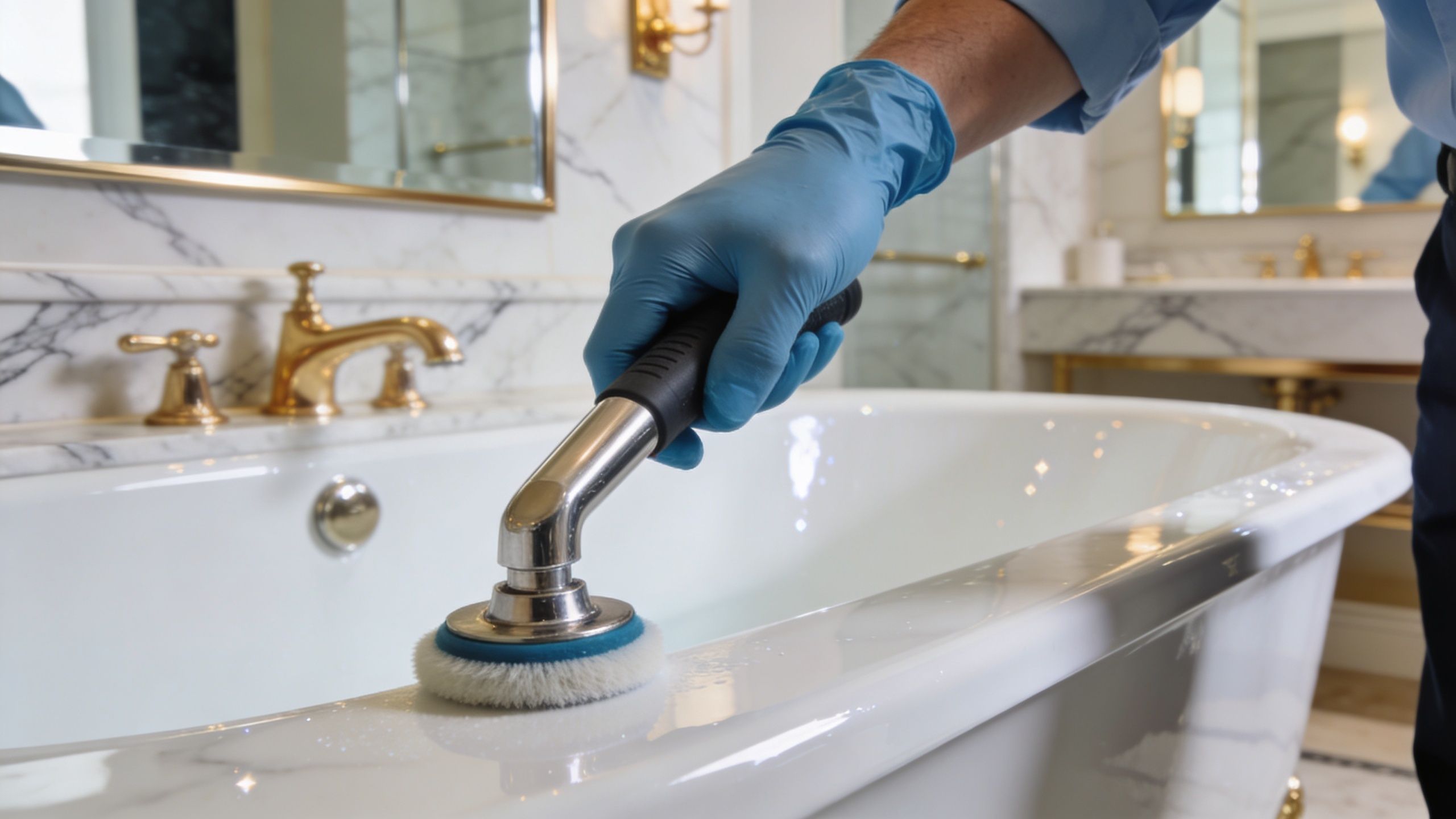
What we often see before an inspection
In Sparks move-out cleans, the tub is one of those surfaces that gets ignored until the last day. The tenant has wiped it down plenty of times, but the orange staining around the drain and faucet has built up little by little. Then the final walkthrough gets scheduled, and suddenly the bathroom is the room causing stress.
That's also common in short-term rentals. The tub may look acceptable in daylight, but under vanity lighting, hard-water haze and rust transfer stand out fast.
If you're dealing with a bathroom that needs more than spot treatment, this guide on how to deep clean a bathtub covers the bigger reset.
What's included in a deep bathroom clean
For people booking help because they want a bathroom to look inspection-ready or guest-ready, the scope usually includes:
- Bathtub and shower detail: Rust marks, soap film, hard-water residue, and fixture wipe-down
- Sink and counter cleaning: Mineral spots, splatter, toothpaste film, and faucet polishing
- Toilet exterior and surrounding floor: The spots landlords and guests notice first
- Mirrors and glass: Water spotting and haze removal
- Floors and edges: Baseboards, corners, and dust that settles after windy Reno weeks
- High-touch surfaces: Switches, handles, and commonly missed touchpoints
Optional add-ons often make sense for turnover or move-out work:
- Inside cabinets
- Wall spot cleaning
- Heavy buildup focus areas
- Interior window ledges and sills
- Inside oven or fridge for full move-out scope
Schedule Clean Inspect Enjoy
Schedule
Book online or call. Share the home size, bathroom condition, and whether this is a routine deep clean, move-out, or rental turnover.
Clean
Cleaners arrive with supplies and work from a checklist. That matters when the issue isn't just rust. It's rust plus hard-water haze, dust on ledges, and buildup around fixtures.
Inspect
A quick quality check catches the details that stand out in walkthroughs and guest reviews.
Enjoy
You come back to a bathroom that feels reset instead of half-improved.
Price range
Pricing depends on bedrooms, bathrooms, square footage, condition, and add-ons. Most homeowners request a custom estimate so the quote matches the actual scope.
Micro-FAQ
How long does rust removal in a bathtub take?
It depends on the stain depth, tub material, and whether the bathroom needs a full detail or just spot treatment.
Are supplies included?
For professional cleaning service, yes. The crew should arrive with products and tools suited to the bathroom surfaces.
Can you handle move-out cleaning in Sparks or South Reno?
Yes, that's one of the most common reasons people book a deeper bathroom clean.
What if I have an acrylic or fiberglass tub?
Say that upfront when booking. Those tubs need a gentler product and tool selection.
Reno dust has a way of showing up on bathroom ledges and baseboards faster than expected.
In Sparks homes, hard water and bathroom fixture buildup are two of the most common issues people want handled before photos, guests, or final walkthroughs.
Rust stains usually aren't just a cleaning issue here. They're a Reno-Sparks water issue that needs the right method for the right tub. If you need house cleaning Reno NV service that can tackle bathroom buildup the smart way, Altitude Cleaning Crew is ready to help. Call 775-376-5527 or book online at Altitude Cleaning Crew booking.