

How Long Does Dead Mouse Smell Last? A Reno, NV Guide

If you're searching how long does dead mouse smell last because one room in your Reno home suddenly smells rotten, heavy, and wrong, you're probably already taking the usual steps. You checked the trash, the fridge, the sink, maybe even the laundry room, and the smell is still there. What you want now is simple. A clear timeline, practical next steps, and a way to get your home back to normal fast.
This matters around Reno, Sparks, Spanish Springs, and the surrounding neighborhoods because mice look for shelter when temperatures swing. In older Midtown houses, newer Damonte Ranch builds, rental units in Sparks, and homes tucked into Northwest Reno, that smell can turn into a real quality-of-life problem fast, especially if you have guests coming, a landlord walkthrough, or a move-out inspection on the calendar.
That Unmistakable Smell: Identifying and Solving a Hidden Problem
You walk into the hallway first thing in the morning, and one spot in the house smells rotten, sour, and heavy. You take out the trash, check the fridge, run water down the sink, and the odor is still waiting for you near the same wall, cabinet run, vent, or closet. That pattern usually points to a hidden source, not a general cleaning issue.
In Reno-Sparks, we see this after sudden weather swings and seasonal temperature changes. Mice tuck into wall cavities, attics, crawlspaces, and under-cabinet voids for shelter. Then a warm afternoon, a heater cycle, or a stuffy room brings the odor out fast. In older Reno homes with more gaps and voids, the smell may travel farther than people expect. In newer builds around South Reno or Spanish Springs, tight construction can trap odor in one area and make it seem stronger.
A lot of homeowners second-guess themselves here. They wonder if it is mildew, stale HVAC air, a plumbing issue, or something spilled behind an appliance. Dead rodent odor usually has a distinct rotten note and tends to hit hardest in one repeat location. If the smell stays strongest in the same part of the room day after day, treat it like a hidden carcass until you rule that out.
Quick takeaways
- What it usually smells like: sour, rotten, and sharply unpleasant, often strongest near one wall, vent, cabinet base, or closet corner
- What commonly affects it: heat, trapped air, absorbent materials, and where the mouse died
- What helps: find the source if you can, remove contaminated material when needed, then clean and deodorize the surrounding area properly
Practical rule: If one area keeps producing the same rotten smell, air fresheners will only cover it for a while. The source still has to be addressed.
There is also a Reno-specific trade-off to keep in mind. Our dry climate can help a carcass dry out faster than it would in a damp region, but dry air does not stop odor from settling into dust, insulation, unfinished wood, or porous flooring nearby. In homes with forced-air systems, the smell can also move room to room even when the source stays put.
Two clues show up often. One is a smell that gets worse when the house heats up in the afternoon. The other is sudden insect activity near a window, light fixture, or baseboard. If flies start appearing in the same area, this post on how to keep flies out of your house can help you spot signs that support a hidden-source problem.
Some homeowners also confuse this with damp, stale odor. If the room smells musty instead of rotten, this guide on eliminating musty smells can help you separate a moisture problem from decomposition odor.
If you are already searching for house cleaning Reno NV because the smell seems to be sticking to the room, that reaction makes sense. The fix is often part investigation, part cleanup, and part odor removal. Once the source is gone, the house usually starts feeling normal again much faster.
How Long a Dead Mouse Smell Typically Lasts
You notice it first thing in the morning. By late afternoon, when the house warms up, the smell gets heavier and more sour. That usually means the source is still in place, and the odor is working its way into nearby materials.

In practical terms, a dead mouse smell often peaks for several days and can hang around for a couple of weeks. In some homes, it fades sooner. In others, it sticks around longer because body fluids reached insulation, subfloor, drywall, or unfinished wood.
The timeline is not really about the calendar. It depends on where the mouse died and what the odor soaked into.
A carcass in a dry, ventilated garage wall may dry out faster than one trapped in a tight bathroom vanity, an insulated attic corner, or a kitchen cavity with little airflow. In Reno-Sparks, our dry climate can shorten the active decay period compared with wetter regions, but that does not always make the house smell better faster. Dry air can also leave odor residue in dust and porous materials, especially in homes that run heat or AC regularly.
That is why homeowners get frustrated. They wipe counters, mop floors, spray air freshener, and still walk back into the same smell.
If the source has already been removed but the room still has a stale, dirty odor, soft surfaces may be holding onto it. The same cleanup logic used for removing pet odors from carpet often applies here too. Porous materials keep odor longer than tile, sealed wood, or other hard surfaces.
One more trade-off matters. Waiting can work if the odor is mild and clearly fading. Waiting is a poor plan if the smell is strong, concentrated in one area, or spreading through vents and wall cavities. At that point, the job usually shifts from patience to source removal and targeted odor cleanup.
What We See in Reno-Sparks Homes
This problem doesn't show up the same way in every house. Reno-Sparks homes have their own patterns, and after enough walkthroughs you start spotting them quickly.
In older Midtown Reno homes, the smell often seems stronger near outlets, old wall penetrations, and utility chases. Those houses can have enough hidden gaps that odor travels sideways, which makes people think the source is in the wrong room.
In newer homes in Damonte Ranch, South Reno, and parts of Spanish Springs, we often see a different issue. The home is tighter, the insulation is heavier, and the smell gets trapped in one area longer. When that happens, people describe the room as smelling "sealed in" rather than spread throughout the whole house.
The local patterns that stand out
- Northwest Reno and Somersett homes: Attics, garage-adjacent walls, and crawlspace access points are common trouble spots when outside temperatures swing.
- Sparks rentals and duplexes: Under-sink voids, cabinet toe-kicks, and shared wall areas can hold odor longer than tenants expect.
- Wingfield Springs and suburban carpeted homes: Even after the source is removed, nearby carpet can keep a stale edge to the room if nobody does a targeted odor clean.
Reno dust has a way of settling on baseboards, vents, and window ledges fast. When a decomposition odor is in the mix, that layer of dust can make the room feel dirtier than it looks.
Why local climate changes the experience
Reno's dry air can help a hidden source dry out faster in some parts of the house. But that doesn't help much when the carcass is behind a shower wall, under insulation, or near a small leak.
We've also seen odor complaints spike after houses stay closed up during smoke season or winter weather. Once windows stay shut and the HVAC starts cycling, the smell doesn't have much chance to dissipate naturally through fresh air exchange.
In Reno-Sparks homes, the worst cases usually aren't the biggest houses. They're the ones where the source is hidden in a tight space and the smell has a chance to soak into surrounding material.
Key Factors That Influence Odor Persistence
A dead mouse smell lasts longer or shorter based on conditions, not luck. The reason is decomposition chemistry. Pest-control guidance attributes the odor to compounds released as the body breaks down, including sulfur dioxide, methane, benzene derivatives, and long-chain hydrocarbons, and notes that the process continues until the carcass has dried out or decomposed fully, as explained in Thomas Pest Services' discussion of dead animal odor.

Location matters most
A mouse in an open garage corner is one problem. A mouse inside a wall cavity is another. Hidden spaces trap odor and release it slowly through cracks, outlets, vent gaps, and cabinet seams.
That trapped-air effect is why one hallway can smell awful while the next room barely smells at all.
Temperature changes everything
Reno summers can turn wall cavities, attic edges, and garage walls into warm pockets fast. Heat speeds up decomposition and can make the smell feel sharper.
During winter, the pattern is different. A heating cycle can push warm air across a hidden source and suddenly make the odor noticeable again.
Moisture keeps the problem alive longer
A dry hidden space is unpleasant. A damp hidden space is worse. If there's a small plumbing leak, damp subfloor, or moisture-retaining insulation nearby, the smell often hangs on because fluids and odor compounds have more chance to soak into surrounding materials.
Airflow can spread or relieve it
Ventilation is a trade-off. Good airflow can help a room recover. But HVAC airflow can also carry odor from one trapped area into living space, especially if the source is near a return path or wall gap.
Homes closed up during wildfire ash season can be rough for this. People shut windows, run indoor air more heavily, and then notice every odor event more clearly.
Porous materials are the cleanup issue
Even after the carcass is gone, the surrounding area may still smell because nearby materials absorbed the odor.
Common problem surfaces include:
- Insulation: Holds odor deep in fibers
- Particleboard and cabinet bases: Absorb smells more than people expect
- Carpet and pad: Especially near wall edges and registers
- Unsealed wood: Can keep a stale organic smell after surface wiping
If odor settled into flooring or nearby soft surfaces, targeted treatment matters more than broad wiping. This is one reason stubborn smells sometimes overlap with the kind of detailed work discussed in carpet stain and surface recovery.
From DIY Fixes to Professional Odor Removal
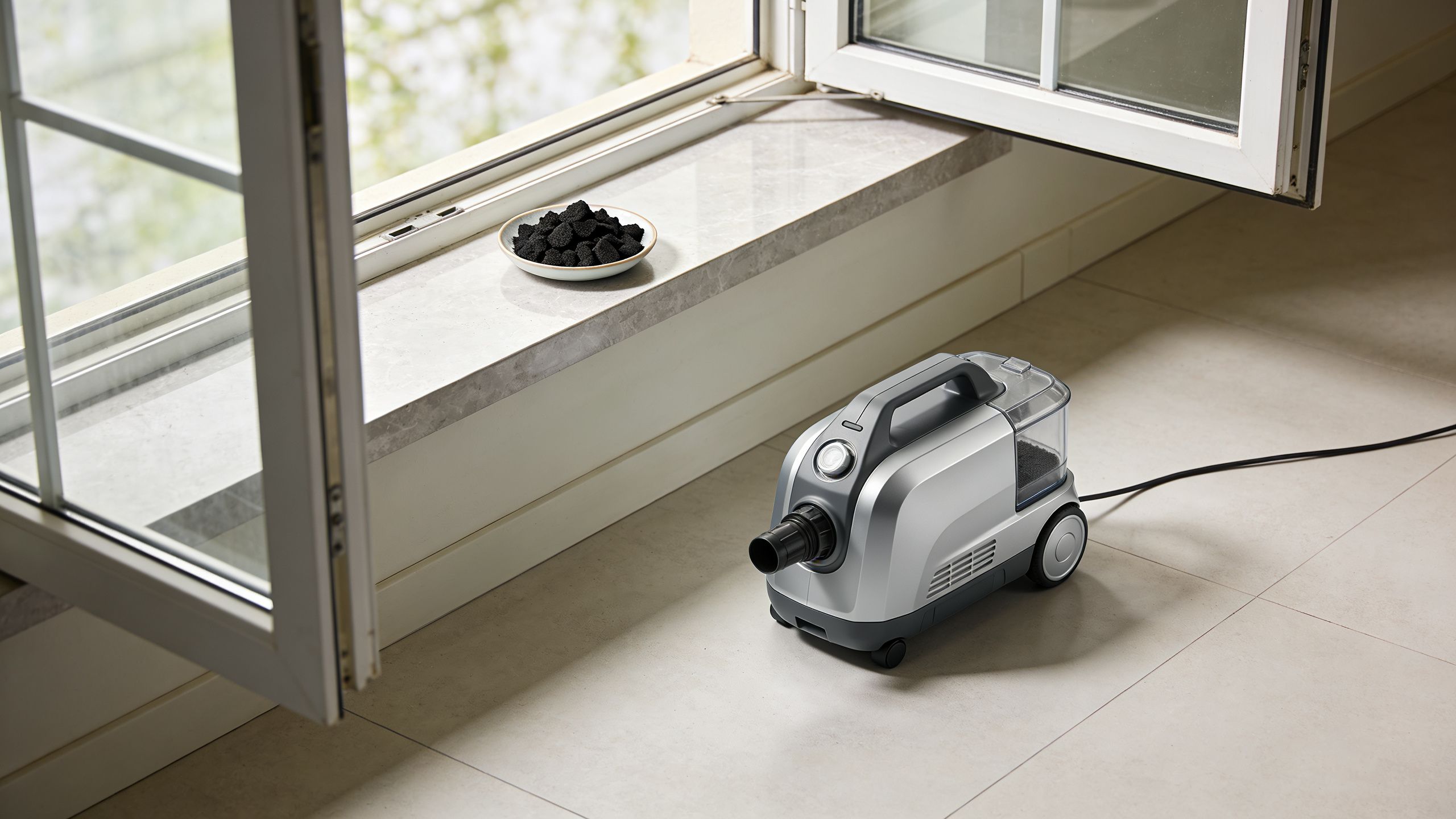
A common approach involves starting with the obvious. Open windows, run a fan, light a candle, spray something strong, maybe set out baking soda or charcoal. Some of that helps a little. Very little of it fixes a trapped source or odor that already soaked into material.
If the carcass is accessible, removal changes everything. If it isn't, you're mostly trying to make the room livable while the source breaks down and the surrounding surfaces stop holding the smell.
What helps and what doesn't
- Helpful: Ventilation when weather allows, activated charcoal, careful surface cleaning near the hot spot, replacing a nearby HVAC filter if the smell spread through airflow
- Limited: Scented sprays, plug-ins, and heavy fragrance products. Those usually stack on top of the smell instead of removing it
- Worth trying: Enzymatic odor products on affected hard and soft surfaces, but only after the source is removed or clearly no longer active
For broader odor troubleshooting, some of the same logic shows up in Restore Heroes' sewage smell solutions. Different source, same lesson. If the cause is organic and the smell has penetrated surfaces, masking agents won't finish the job.
A Sparks example
In Sparks move-out cleans, we often see kitchens that look fine at first glance, but the actual issue is under cabinets and along the base where crumbs, grease, and dust collect. One odor job stood out because the tenant was sure the smell was coming from the trash area. It wasn't. The source had been in a void under the cabinets.
After removal, the room still smelled off because the particleboard toe-kick area had absorbed the odor. A quick wipe-down wouldn't have passed a property manager sniff test. That kind of situation is where a true deep cleaning service near you makes more sense than another round of home remedies.
If the smell is still there after the source is removed, you're no longer solving a pest problem. You're solving a surface and air-quality problem.
Professional help usually makes sense when you're dealing with move-out timing, guests arriving, or a smell that has settled into the room even after the obvious source is gone.
Our Process for Restoring Your Home
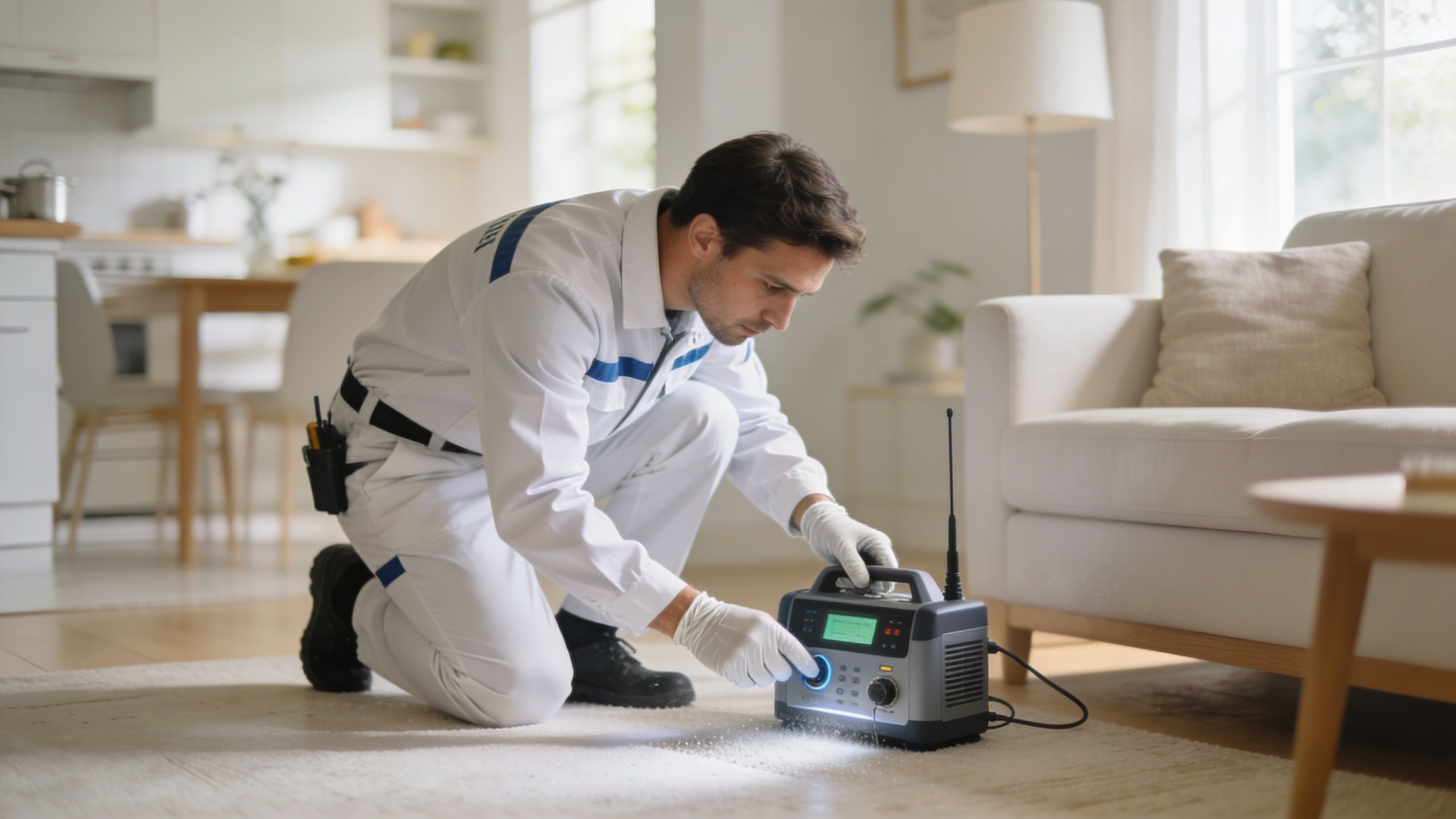
When a room has had a dead mouse odor, a normal maintenance clean usually isn't enough. The goal is to remove residue, treat affected surfaces, and get the home back to smelling neutral, not artificially perfumed.
What's included
- Affected-area deep cleaning: Floors, baseboards, hard surfaces, and touchpoints in the room get detailed cleaning where odor settles.
- Kitchen or bath detail work: Counters, sinks, fixtures, and cabinet exteriors if the smell is near those zones.
- Targeted deodorizing: Professional-grade odor treatment for the area after source removal or after the active phase has passed.
- Dust and residue removal: Important in Reno homes where dust buildup on ledges, vents, and trim can hold stale smell.
- Surface reset: Mirrors, nearby trim, switches, and ledges so the room feels fully recovered, not partially cleaned.
Optional add-ons depend on where the problem spread:
- Inside cabinets
- Wall spot cleaning
- Pet hair focus areas
- Interior window sills and ledges
- Heavy buildup areas
Schedule, Clean, Inspect, Enjoy
Schedule
Book online or call. You'll get a confirmation and arrival window so you're not waiting around all day.
Clean
Cleaners arrive with supplies and work from a checklist based on the affected rooms and odor-prone surfaces.
Inspect
A quick quality check follows the service. The point isn't to cover the smell with fragrance. It's to make sure the room feels cleaned.
Enjoy
You come back to a home that feels fresher, calmer, and closer to normal again.
In Reno and Sparks, that reset matters more than people think. When a weird odor has been hanging around for days, getting the house back to baseline is a relief.
Frequently Asked Questions About Odor Removal
Why does the dead mouse smell get worse on some days
A lot of homeowners notice the same pattern. The room seems better for a day or two, then the odor comes roaring back.
Attic Bros explains fluctuations in dead mouse odor through changes in temperature, humidity, and airflow. In Reno-Sparks, that pattern can feel even more dramatic because houses swing between dry afternoons, cool nights, furnace cycles, and heavy AC use. Those shifts push odor out of insulation, wall voids, subfloors, and dusty vents.
That is why the smell can seem random when it is not.
Can you get the smell out of carpet, drywall, or cabinets
Often, yes. The answer depends on the material and how long the odor had time to soak in.
Hard surfaces usually clean up faster. Carpet edges, carpet pad, particleboard cabinets, unsealed wood, and some drywall areas can hold onto odor much longer, especially in older Reno homes with dry framing, dusty returns, or gaps around baseboards and utility lines. Cleaning and deodorizing usually improve the space a lot. If the source sat too long or fluids reached a porous material, part of that material may need to be removed and replaced.
That trade-off matters. Spending money on repeated surface treatment does not always beat replacing a small contaminated section.
Are supplies included
Yes. For professional deep cleaning, cleaners usually bring the products, tools, and checklist for the affected rooms.
That makes the process easier on your end, but it also matters for results. Odor cleanup is not the time to test random sprays from the grocery store and hope one works.
How much does professional odor deep cleaning cost
Price depends on the size of the home, the number of affected rooms, the level of buildup, and whether the smell spread into cabinets, flooring edges, or soft materials. A custom estimate is usually the right call because dead mouse odor jobs vary a lot from one house to the next.
In Reno-Sparks, we also see timing issues drive the decision. Some homeowners are dealing with a lease ending, a home sale, guests coming in, or a landlord walkthrough. At that point, guessing how much longer the smell will hang around stops being useful. Getting the space cleaned, deodorized, and checked properly is usually the faster path back to normal.
If you want reliable house cleaning Reno NV, Altitude Cleaning Crew can help. Call 775-376-5527 or book online at Altitude Cleaning Crew booking.
Flat-Rate House Cleaning Services You Can Count On
From downtown Reno apartments to family homes across Sparks, our team delivers reliable, professional house cleaning you can count on.
