
Cleaning Vinyl Tiles in Reno: A Pro's Step-by-Step Guide
Keep your floors spotless with our guide to cleaning vinyl tiles in Reno. Learn routine, deep cleaning, and stain removal tips for our desert climate.
Vinyl floors in Reno and Sparks take a beating from fine dust, tracked-in grit, pollen, and strong sun. If you're searching for deep cleaning Reno NV help or trying to keep your vinyl tile looking new between professional visits, the right method matters.
This is for homeowners and property managers who want cleaning vinyl tiles done right so floors look spotless, residue-free, and ready for everyday living, inspections, or turnover. Around here, desert winds and mountain dust can turn a good-looking floor dull fast if the cleaning method is off.
Your Guide to Flawless Vinyl Floors in Reno and Sparks
A lot of vinyl floor problems start with good intentions. Someone grabs a harsh cleaner, overwets the floor, or scrubs black marks too aggressively. The floor looks clean for a day, then haze shows up, edges look rough, and every footprint seems more visible.
Reno homes deal with a specific mix of grime. Fine desert dust settles in corners. Pollen works its way into texture and seams. Tracked-in grit from driveways acts like sandpaper under shoes.
That matters because vinyl does best with a gentler system, not a stronger one.
Practical rule: If a product leaves the floor shiny because of residue, not because the floor is actually clean, it usually creates more work later.
For most homes, the goal is simple. Remove dry grit first, use a neutral pH cleaner, keep the mop damp instead of wet, and rinse when needed so residue doesn't build up.
When floors already look dull, sticky, or uneven in color, routine mopping usually won't fix it. That's where a deeper reset helps, especially in entryways, kitchens, hallways, and rental turnovers.
In Reno and Sparks, timing matters too. Weekend schedules fill up fast, and heavy dust days can undo a rushed clean in no time. A good floor care plan has to be realistic for how people live here.
Understanding Your Vinyl Tiles and Essential Tools
Not all vinyl floors clean the same way. The basic categories matter because the surface finish, seams, and texture change how much moisture and agitation the floor can handle.
What type of vinyl you may have
VCT usually shows up more in commercial spaces, common areas, and some older properties. It often needs a more structured maintenance approach.
LVT and LVP are common in newer homes and remodels. They usually have a wear layer that looks tough, but that top layer can still dull if grit stays on the floor too long.
Older sheet vinyl and older vinyl tile can be trickier. If the home is older, caution matters for a separate reason covered later.
Vinyl flooring has been around a long time. It premiered in 1933 at the A Century of Progress International Exposition in Chicago , and after WWII it grew quickly, replacing linoleum in 70% of US residential floors by 1960 , according to MSI Surfaces' history of luxury vinyl flooring. That same history notes that sweeping to remove grit can prevent 80% of scratches , which is exactly why dry soil removal comes first.
The tools worth using
A short, smart kit beats a cabinet full of random products.
- Soft broom or hard-floor vacuum: Use a vacuum with the beater bar off. A hard-floor setting helps lift grit without scuffing the finish.
- Microfiber mop: Microfiber picks up fine dust better than an old string mop and leaves less water behind.
- Two buckets: One for cleaning solution, one for rinse water. Dirty mop water is one of the fastest ways to spread film around.
- Soft cloths: Keep a few microfiber cloths handy for edges, spills, and scuffs.
- Soft nylon brush: Helpful for textured vinyl and stubborn grime in corners without going abrasive.
A lot of homeowners also need help choosing supplies that won't damage finishes or leave residue. This practical cleaning supplies list is a good starting point if you want to tighten up your kit.
What to avoid
Skip bleach, abrasive powders, stiff scrub pads, and anything that feels like overkill. Vinyl usually responds better to controlled, repeatable cleaning than aggressive scrubbing.
Neutral pH products clean vinyl more safely because they remove soil without chewing at the surface.
If you're unsure what floor you have, test in a small hidden area first. That's boring advice, but it saves floors.
The Perfect Routine Clean for Everyday Grime
Routine care is where vinyl either stays sharp or starts looking tired. A proper weekly clean isn't complicated, but the order matters.
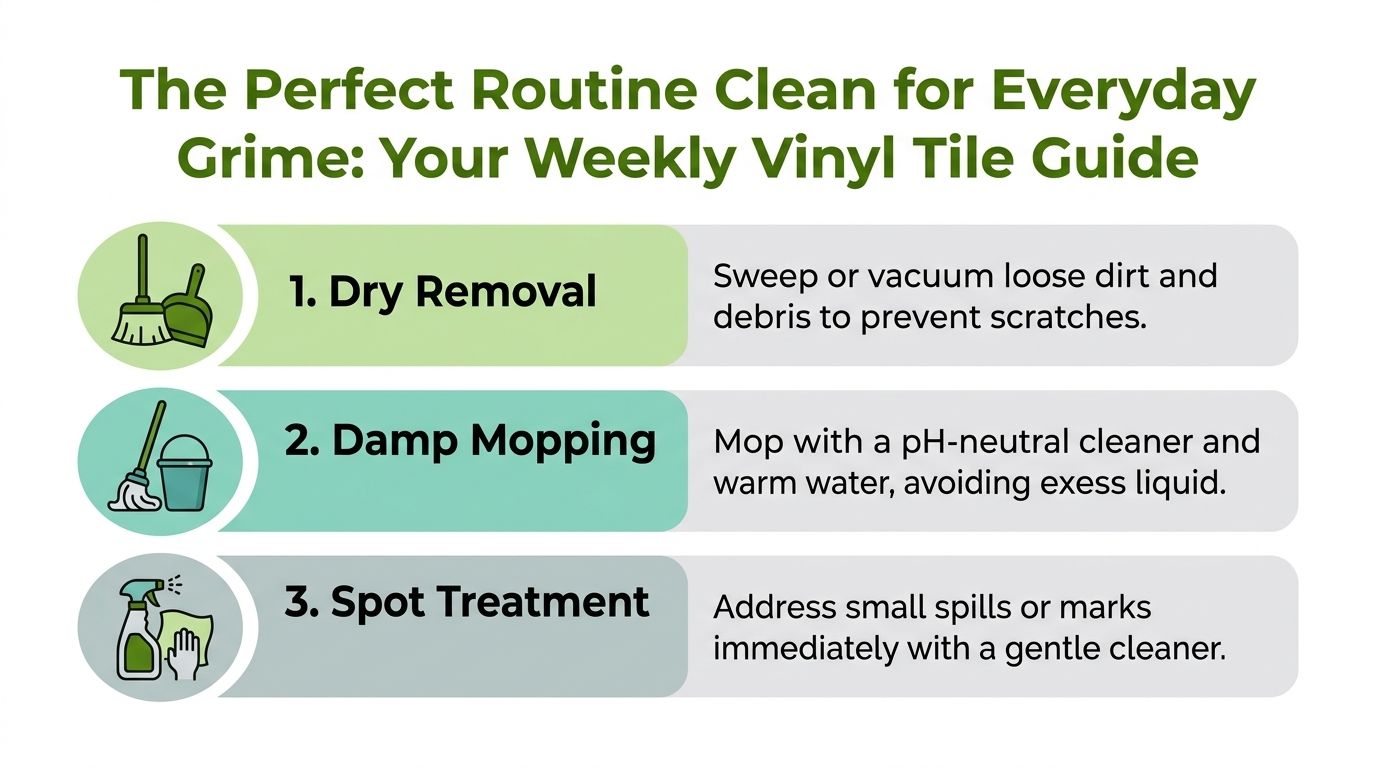
Start dry, not wet
If you mop before removing grit, you grind that debris across the floor. For commercial VCT, dry mopping first removes abrasive debris tied to 70% of surface scratches , and correct cleaning can restore up to 95% of gloss in high-traffic areas, according to Pacific Modular's VCT cleaning guidance.
In Reno, this step matters even more after windy days. Dust sneaks under furniture edges and piles up along baseboards fast.
Use:
- A microfiber dust mop for open areas
- A vacuum with soft brush attachment for corners and edges
- Extra passes at entry points where gravel and sand collect
Mix the solution correctly
Vinyl doesn't need a strong-smelling cleaner to get clean. It needs the right dilution and controlled moisture.
For routine mopping, use a neutral pH 7-8.5 solution. A double-bucket system helps keep dirty water off the floor. If you want a simple DIY option, the verified guidance allows 1 cup white vinegar per gallon of warm water for VCT routine wet cleaning in the same Pacific Modular reference.
Keep the mop damp, not dripping. In that same guidance, over-wetting is linked to 40% of subfloor delamination issues.
Mop in sections and rinse
Work in manageable sections so the solution doesn't sit too long. Start at the far side of the room and move toward the exit.
Then rinse. This is the step people skip.
Pacific Modular notes that skipping the final rinse can reduce light reflectance by 25% because of residue haze. That's the cloudy look many people mistake for an old floor when it's really leftover cleaner.
A vinyl floor can be spotless and still look dull if cleaner residue stays on it.
A good routine clean for everyday grime looks like this:
- Remove dry debris thoroughly.
- Mop with a neutral solution using controlled moisture.
- Rinse with clean water.
- Let the floor dry fully before heavy foot traffic.
That's the backbone of effective cleaning vinyl tiles in busy Reno homes.
Deep Cleaning Reno NV
If your floor still looks flat after a normal mop, you're likely dealing with embedded grime, residue buildup, or wear-layer dulling from dust and foot traffic. That's where deep cleaning Reno NV service makes sense, especially in rentals, move-outs, and homes with textured LVT.
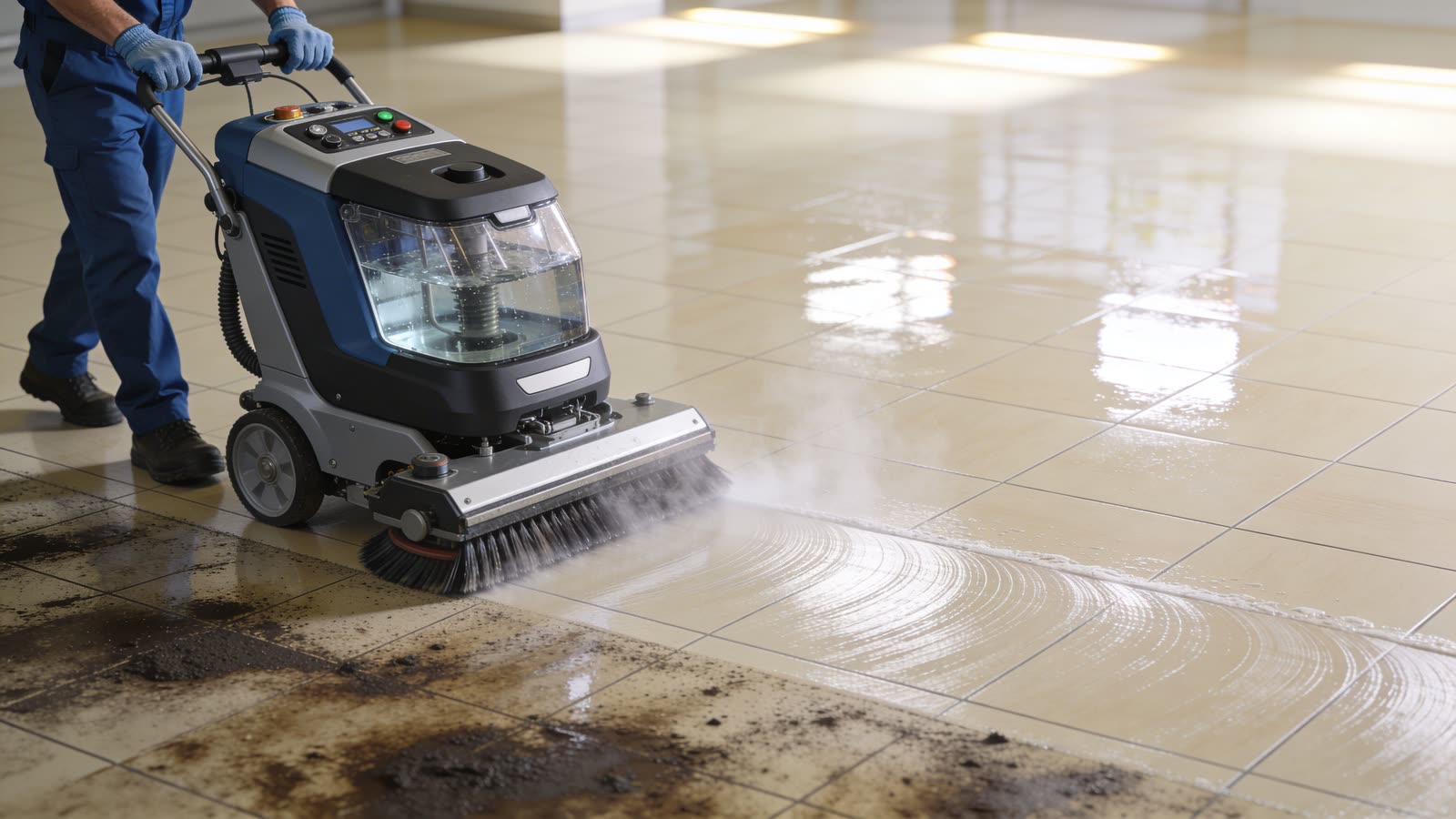
Professional deep cleaning for LVT can restore factory shine in 92% of installations , and the process works best when it focuses on stopping abrasive dulling, which is the primary failure mode in 65% of residential complaints , according to Antic Colonial's vinyl floor cleaning guide.
What a real deep clean changes
A routine mop handles surface dirt. A deep clean goes after what sits in texture, around edges, and in the film left behind by the wrong products.
On vinyl, the most important deep-clean steps are:
- Thorough dry soil removal
- Section-by-section damp cleaning
- Frequent mop rinsing to prevent haze
- A mandatory clean-water rinse
- Dry buffing with microfiber
That last part matters more than people think. Antic Colonial notes that dry buffing with microfiber is especially important on textured LVT, where air-drying leaves 15% visual defects.
What's included
For a detailed vinyl floor focused clean, most clients want the surrounding areas cleaned too, not just the center of the room.
- Floors: Dry removal, damp mopping, rinse, and detail work along edges
- Baseboards: Dust and wipe where buildup makes floors look dingy
- Dust removal: Corners, vents nearby, and trim where fine Reno dust collects
- Kitchen degrease: Especially around vinyl in kitchens where residue transfers underfoot
- Bathrooms: Floor-safe cleaning around toilets, vanities, and splash zones
- Mirrors: Helpful during whole-home reset cleans
- High-touch disinfecting: Switches, pulls, and handles in connected spaces
Optional add-ons
- Inside oven
- Inside fridge
- Inside cabinets
- Wall spot cleaning
- Pet hair focus areas
Professional work earns its keep through these detailed cleaning efforts. The floor doesn't just get wet and wiped. It gets reset.
Removing Scuffs, Stains, and Pesky Residue
Scuffs are where a lot of DIY advice goes sideways. The internet loves dramatic fixes. Vinyl doesn't.
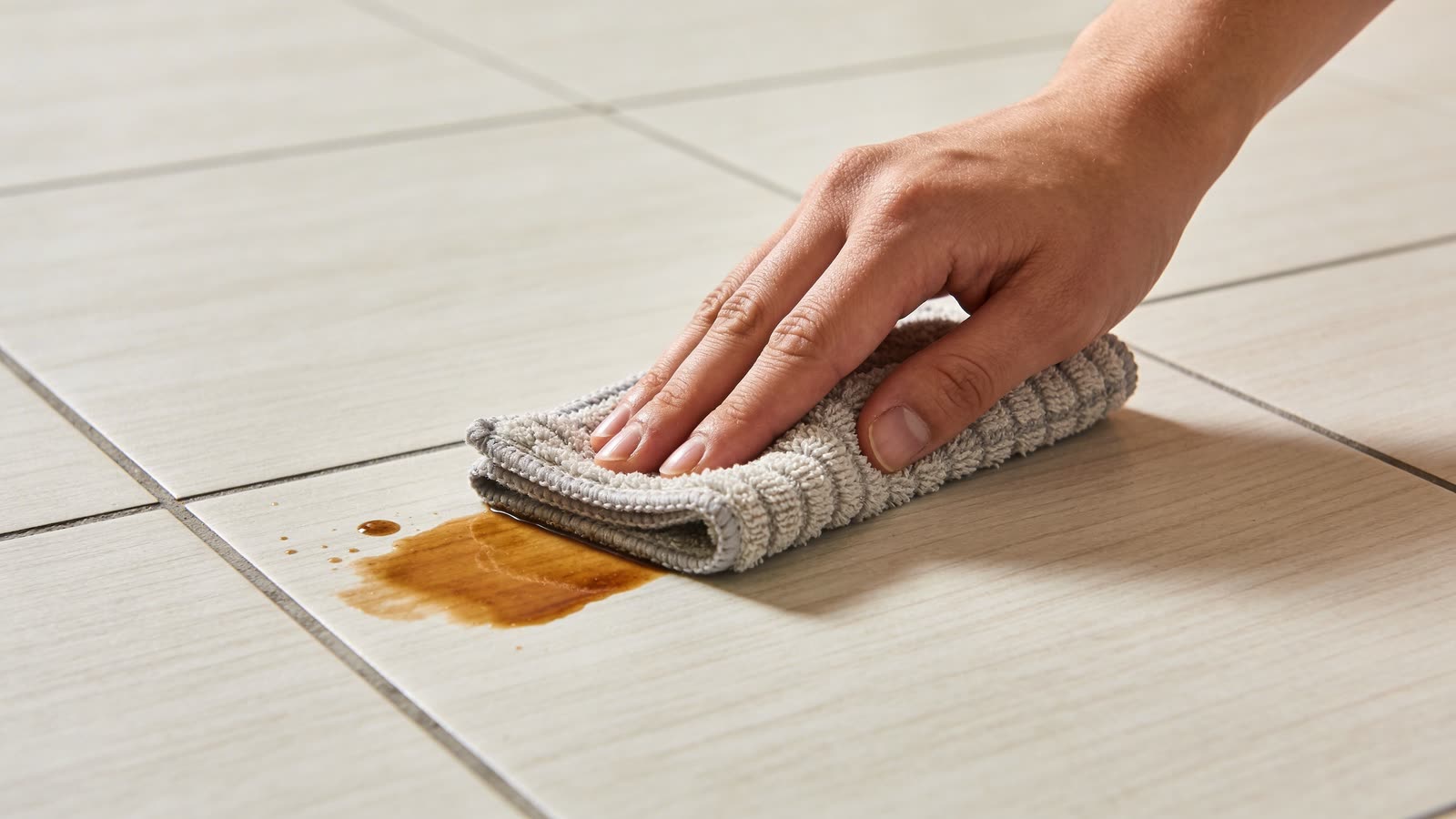
One of the biggest gaps in online guidance is black marks and scuffs. Some sources suggest WD-40 or scraping, but that can be risky. Safer methods include a microfiber cloth with light pressure or a soft nylon brush, especially in Reno where dust can make scuffs worse during cleaning attempts, as noted by Elit Tile's discussion of safe vinyl floor cleaning methods.
What works better than force
For black heel marks or light scuffs:
- Start with a dry microfiber cloth to remove loose grit
- Apply a small amount of pH-neutral cleaner
- Rub lightly with the cloth
- Use a soft nylon brush only if needed
- Wipe clean and dry the area
For sticky residue or food drips, let the cleaner dwell briefly, then wipe instead of scraping. Most damage happens when someone gets impatient and attacks the floor with a hard edge or abrasive pad.
For cloudy residue left by old products, repeat a gentle clean with fresh water rinses. That usually does more than adding another product on top.
The safest scuff-removal method is usually the least dramatic one.
Here's a quick visual if you want to see practical floor-cleaning technique in action before trying it yourself.
What to stop using
Keep these away from vinyl unless the manufacturer specifically allows them:
- Steel wool
- Abrasive powders
- Stiff scrub brushes
- Oil-heavy products that leave film
- Harsh alkaline cleaners
- Anything that requires hard scraping
If the mark doesn't lift with gentle passes, the answer usually isn't more pressure. It's a better process.
Long-Term Maintenance and Professional Care
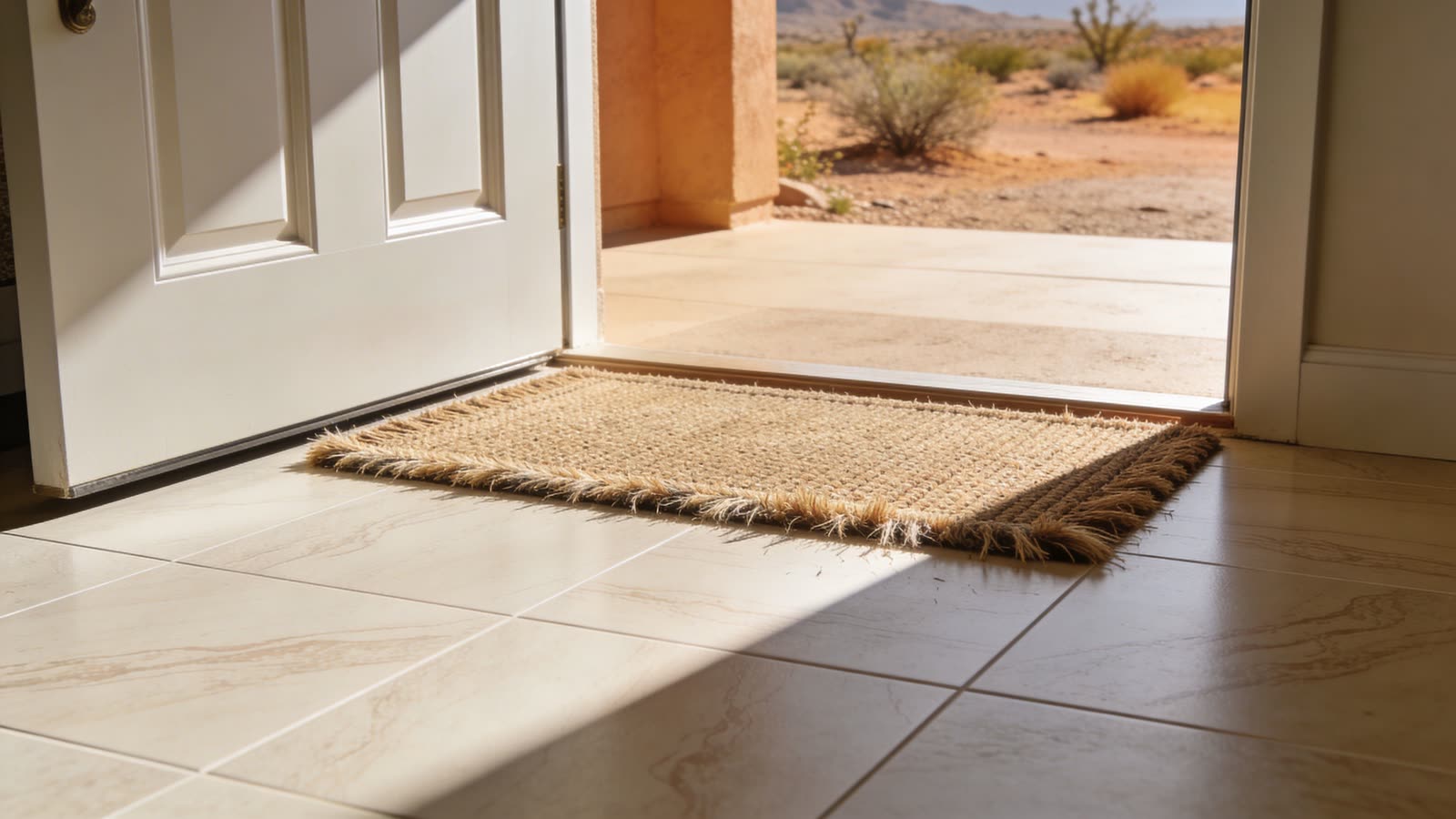
Vinyl lasts longer when you reduce the dirt load before it reaches the floor. In Reno and Sparks, that starts at the door.
Small habits that protect the finish
Use entry mats at every main door. Fine desert grit gets tracked farther than people expect, especially on dry windy days.
Add felt pads under chairs and stools. Lift heavy furniture instead of dragging it.
Close blinds during the brightest part of the afternoon if strong sun hits the same floor zones every day. Reno's high-altitude light is rough on interior finishes over time.
For homes with pets, brush out hair and dust before mopping. Wet fur and grit create a paste that smears instead of lifting.
Schedule, Clean, Inspect, Enjoy
When homeowners book professional care, the process should be simple and predictable.
- Schedule: Book online or call. Choose the service, share access notes, and get a confirmation with an arrival window.
- Clean: Cleaners arrive with supplies and equipment, then follow a checklist-based clean built around the home's condition and priorities.
- Inspect: A quick quality check catches missed edges, residue, and detail spots before wrap-up.
- Enjoy: You come back to a clean floor that feels clean underfoot, not sticky or half-finished.
This is especially helpful during wildfire ash season, after remodeling dust settles, or when weekend traffic leaves you with no time to babysit a floor project.
Price range
Most cleans range from $180 to $450 depending on size, condition, and add-ons.
That range usually shifts based on floor buildup, whether the clean is floor-only or part of a full-home reset, and whether extras like inside oven or cabinet wipe-downs are included.
When to Call the Pros for Your Vinyl Floors
Some vinyl jobs are straightforward. Some aren't worth guessing on.
If you're handling a move-out, a turnover, or post-construction dust, the floor often needs more than basic upkeep. Fine debris settles into texture, corners, and seams, and rushed DIY mopping can leave a worse finish than what you started with.
A professional is also the right call when the floor has years of residue buildup from mixed products. Once that film starts trapping dirt, homeowners often bounce from cleaner to cleaner and make the haze worse.
Older vinyl needs extra caution
This matters most in older homes. Most vinyl tiles installed before the mid-1980s contained asbestos , often in 9x9 or 12x12-inch sizes. Disturbing them during removal or aggressive cleaning can release fibers that cause mesothelioma and lung cancer, and post-1986 EPA regulations banned asbestos in flooring, according to the Center for Environmental Health flooring report.
If you think your floor may date back that far, don't sand it, scrape it hard, or start experimenting with aggressive methods. Legacy flooring calls for caution and, when needed, proper abatement.
High-stakes jobs benefit from a system
Property managers usually don't want "pretty good." They want inspection-ready.
Busy homeowners usually don't want to spend half a Saturday testing products, especially when dust blows back in by evening. If you're comparing service options, this page on finding a deep cleaning service near me can help you think through what to ask before booking.
Call the pros when:
- The floor still looks dull after proper cleaning
- Scuffs keep returning because residue is trapping dirt
- You 're facing a move-out or rental turnover
- Construction dust is everywhere
- The flooring may be old enough to raise safety concerns
That's not giving up on DIY. It's picking the safer tool for the job.
Your Reno Floor Cleaning Questions Answered
How long does a deep floor clean take in a typical home
It depends on layout, buildup, and whether the floor cleaning is part of a larger whole-home service. Homes with textured vinyl, lots of edges, or heavy kitchen residue usually take longer than open layouts with newer flooring.
Are supplies included
Yes, professional cleaners typically bring supplies and equipment. That matters because vinyl responds best when the right microfiber, neutral cleaners, and controlled-moisture tools are used consistently.
Can you handle the fine dust from new construction around Sparks
Yes. That kind of dust needs methodical dry removal before any damp cleaning starts. If you mop construction dust too early, it smears into corners and leaves film behind.
I think my home has old vinyl tiles from the 1970s. Can that be cleaned safely
Possibly, but caution comes first. If the floor appears old and may contain asbestos, avoid aggressive cleaning or disturbance until the material is properly evaluated.
What if I have pets
Pet homes can absolutely be cleaned safely. The main issue is usually hair, tracked-in dirt, and residue around food or water stations, not the vinyl itself.
Reno desert dust, mountain pollen, and tight weekend schedules make floor care harder than it should be. A solid process keeps vinyl looking newer, longer.
Book your cleaning with Altitude Cleaning Crew - your trusted deep cleaning Reno NV provider in Reno. Call 775-376-5527 or book online - https://altitudecleaningcrew.fieldd.co/