
What to Clean Glass Top Stove With | Deep Cleaning Reno NV
Learn what to clean glass top stove with using safe DIY and pro tips. For a perfect finish, get expert deep cleaning in Reno NV from Altitude Cleaning Crew.

TLDR: If you're searching for what to clean glass top stove with and need deep cleaning Reno NV , use a method that removes burnt-on mess without scratching the surface. In Reno and Sparks, dust and hard water can turn a simple spill into a baked-on, hazy mess fast. This guide covers what works, what to avoid, and when it makes sense to book professional help.
A glass stovetop looks great right up until pasta boils over, grease spatters, and the whole thing bakes into a black ring you can't wipe off. If you're comparing DIY cleanup with deep cleaning Reno NV , you're probably trying to get a kitchen back to spotless condition without ruining the surface in the process.
This is for homeowners, renters, and property managers who want a clean, polished cooktop without haze, sticky residue, or scratch marks. Around Reno and Sparks, desert dust and hard water make that job tougher than it should be.
Your Guide to a Spotless Glass Stovetop in Reno
A lot of people start by grabbing whatever spray is under the sink and scrubbing harder. That's usually where the trouble starts. On glass cooktops, the wrong pad, the wrong cleaner, or a rushed scrape can leave that cloudy, worn look people mistake for permanent damage.
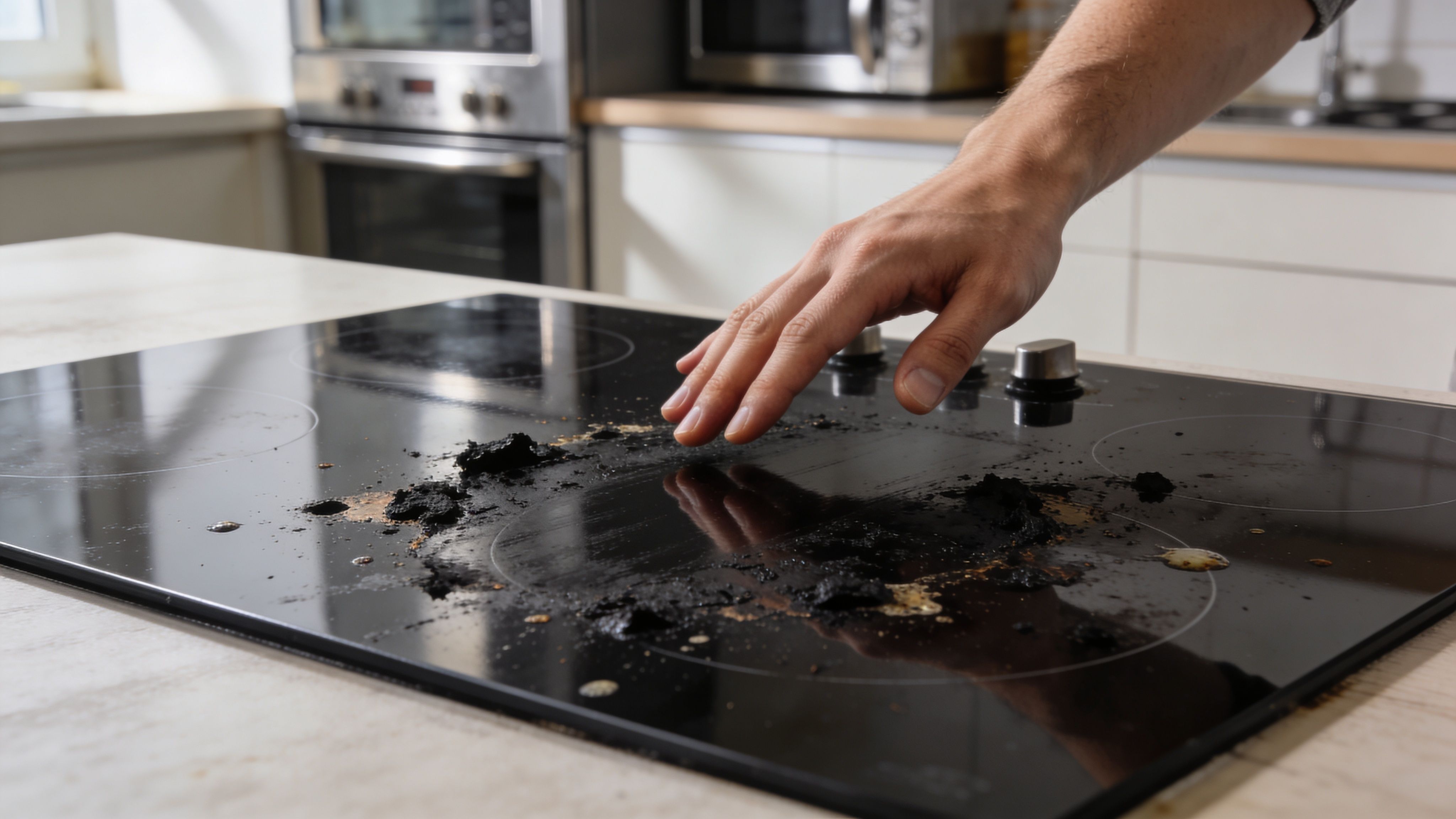
In Reno, the mess gets more stubborn for a few local reasons. Fine dust settles on kitchen surfaces every day, and when it mixes with oil or a sugary spill, it can bake into a rough film. Hard water adds another layer, especially around burner outlines, where white mineral marks can make a clean stove still look dirty.
What people usually want
Most searches for what to clean glass top stove with come down to three goals:
- Remove burnt-on food without scratching
- Get rid of haze and streaks so the top looks black and glossy again
- Avoid long-term damage from repeated scraping or harsh products
Burnt residue is frustrating, but the bigger issue is often cumulative wear from cleaning it the wrong way.
That matters if you're prepping for guests, a showing, or a full deep cleaning in Reno before a move or seasonal reset. A stovetop can make the whole kitchen feel dirty even when the counters are clear.
What actually works
Two paths usually get the job done. The first is a natural vinegar and baking soda method for older cooked-on residue. The second is a commercial cooktop cleaner with a controlled scraper technique for heavier grease.
Both can work well. The right choice depends on whether you're dealing with sauce splatter, greasy film, or thick black buildup that's been reheated over and over.
Essential Tools and Safe Cleaners for Your Glass Cooktop
Before you start, gather the right tools. This is one job where improvising with a rough sponge or random blade can cost you the finish.
Tools worth having
- Microfiber cloths for wiping, rinsing, and buffing
- Plastic razor or cooktop scraper for lifting softened residue
- Non-abrasive pad or soft sponge for agitation without scratching
- Spray bottle for vinegar or rinse solution
- Warm damp cloth to help soften buildup
If you want a broader restock for kitchen and home cleaning, this cleaning supplies list from Altitude Cleaning Crew is a practical place to start.
Two cleaner paths
| Cleaner type | Good for | Trade-off |
|---|---|---|
| Vinegar and baking soda | Burnt sauce, moderate cooked-on spills, lower-odor routine | Slower on heavy grease |
| Cooktop cleaner like Weiman or Bar Keepers Friend | Thick grease film, neglected buildup, final polish | Needs careful rinsing |
What to avoid
- Steel wool because it scratches fast
- Harsh cleaners like ammonia-based products because they can damage the surface
- Dry scraping because friction goes up and so does the risk of visible marks
Practical rule: If the residue isn't softened first, don't scrape it.
The cleaner matters, but the tool and technique matter just as much. A safe product used with a rough pad can still leave damage.
The DIY Method for Burned-On Food with Baking Soda and Vinegar
For older splatters and blackened sauce spots, the vinegar and baking soda method is usually the safest starting point. Lab testing cited by Branch Basics on glass stove top cleaning reports a 95% first-pass removal rate for baked-on sauces when the method is done correctly.
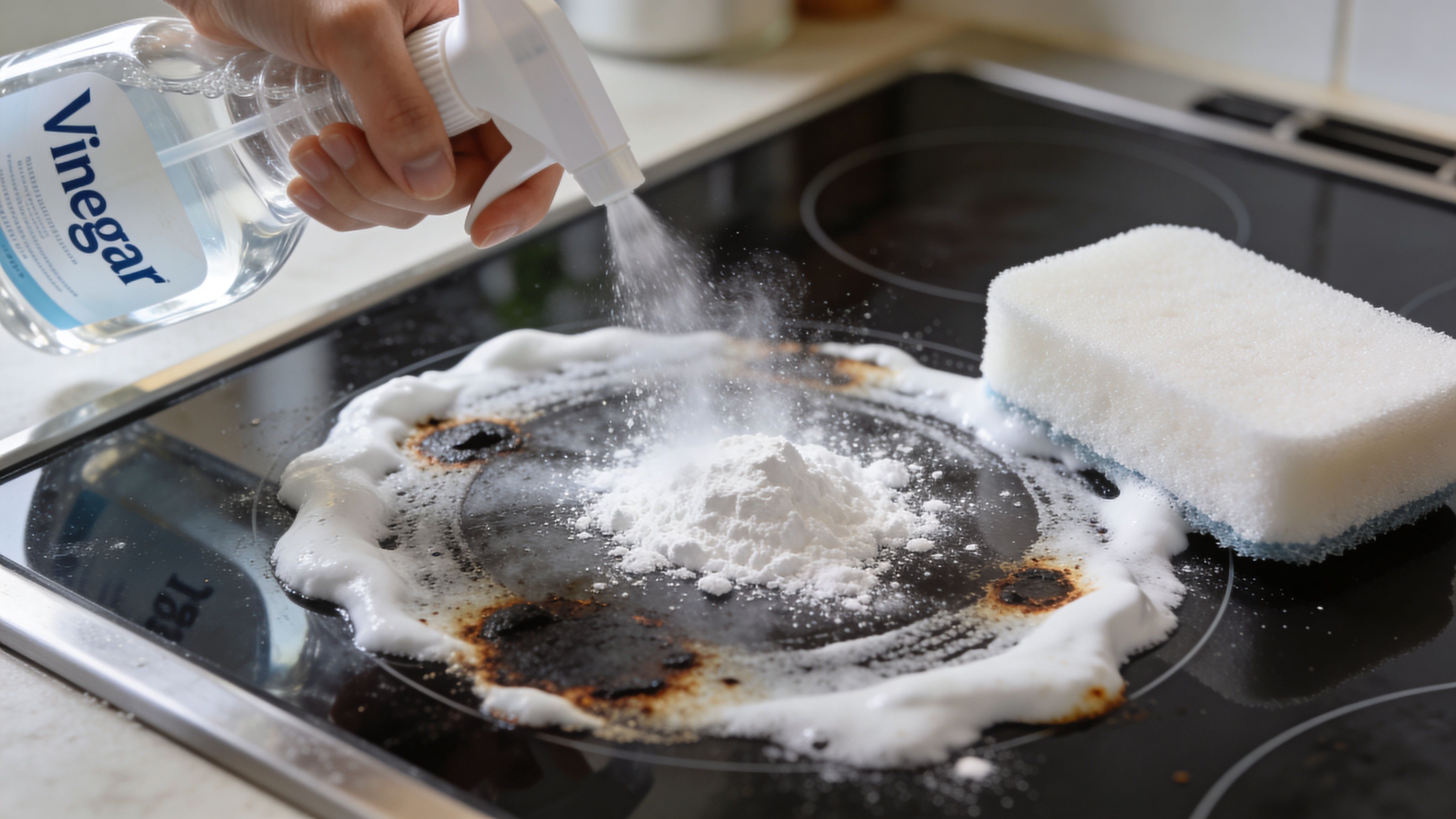
How to do it correctly
- Let the surface cool fully. Don't clean a hot top with this method.
- Spray undiluted white vinegar directly over the burnt areas.
- Sprinkle baking soda over the vinegar-covered spots.
- Lay a warm, damp cloth over the area and let it sit for 10 to 15 minutes.
- Lift residue gently with a plastic razor held at a 45-degree angle.
- Wipe with a damp microfiber cloth and then buff dry.
The warm cloth matters more than people think. It helps soften the baked layer so you're lifting residue instead of grinding at it.
Why this method is safer
Vinegar helps loosen the bond holding the residue down. Baking soda adds mild lift without the scratch risk of harsher abrasives. The dwell time is what gives the method a real chance to work.
If your mess is greasy rather than saucy, this guide on how to remove grease from a stove top is a useful companion.
A quick visual can help if you want to see the sequence before trying it:
Where people go wrong
- Scraping too soon before the residue softens
- Using too much force instead of repeating a gentle pass
- Skipping the final buff and leaving a dull film behind
If one round doesn't clear it, repeat the process instead of switching to an abrasive pad. That's usually the safer move.
Pro-Level Results with Commercial Cleaners and Scrapers
For heavy grease, especially the kind that keeps smoking when the burner heats up, a commercial glass cooktop cleaner is usually the better tool. According to the Consumer Reports-based cleaner protocol shown in this video reference, commercial cooktop cleaners show a 98% removal rate for baked-on grease , and a triple-rinse process helps achieve a 96% streak-free shine.
The pro technique
Start with a cool surface. Apply a small amount of cooktop cleaner, agitate it with a non-abrasive pad, and let it form a light film before wiping or scraping.
Then lubricate the area and use a razor blade at a 30 to 45-degree angle with light pressure. The key is controlled passes, not digging at the mess.
Why this works better on grease
Grease responds well to dedicated cooktop creams because they're built to break down oily residue and leave a polish behind. That's useful on neglected cooktops where daily wipe-downs haven't happened in a while.
A scraper is a precision tool, not a brute-force tool. If you're pressing hard, the residue isn't ready yet.
The finishing step people skip
Rinse once with a damp cloth, buff with a dry microfiber, then do a final polish pass. That last part is what separates "clean enough" from a clear black-glass finish.
How to Prevent Scratches and Long-Term Surface Damage
Most cooktop advice stops at spill removal. The bigger issue is what repeated cleaning does over time.
Appliance repair data cited in KitchenAid material notes that 40% of glass cooktop service calls are due to user-induced scratches, not product defects , and lab data referenced there says nano-coating protectants can reduce residue adhesion by 60% and potentially extend surface life by up to two years in testing on this topic from KitchenAid's glass cooktop cleaning guidance.
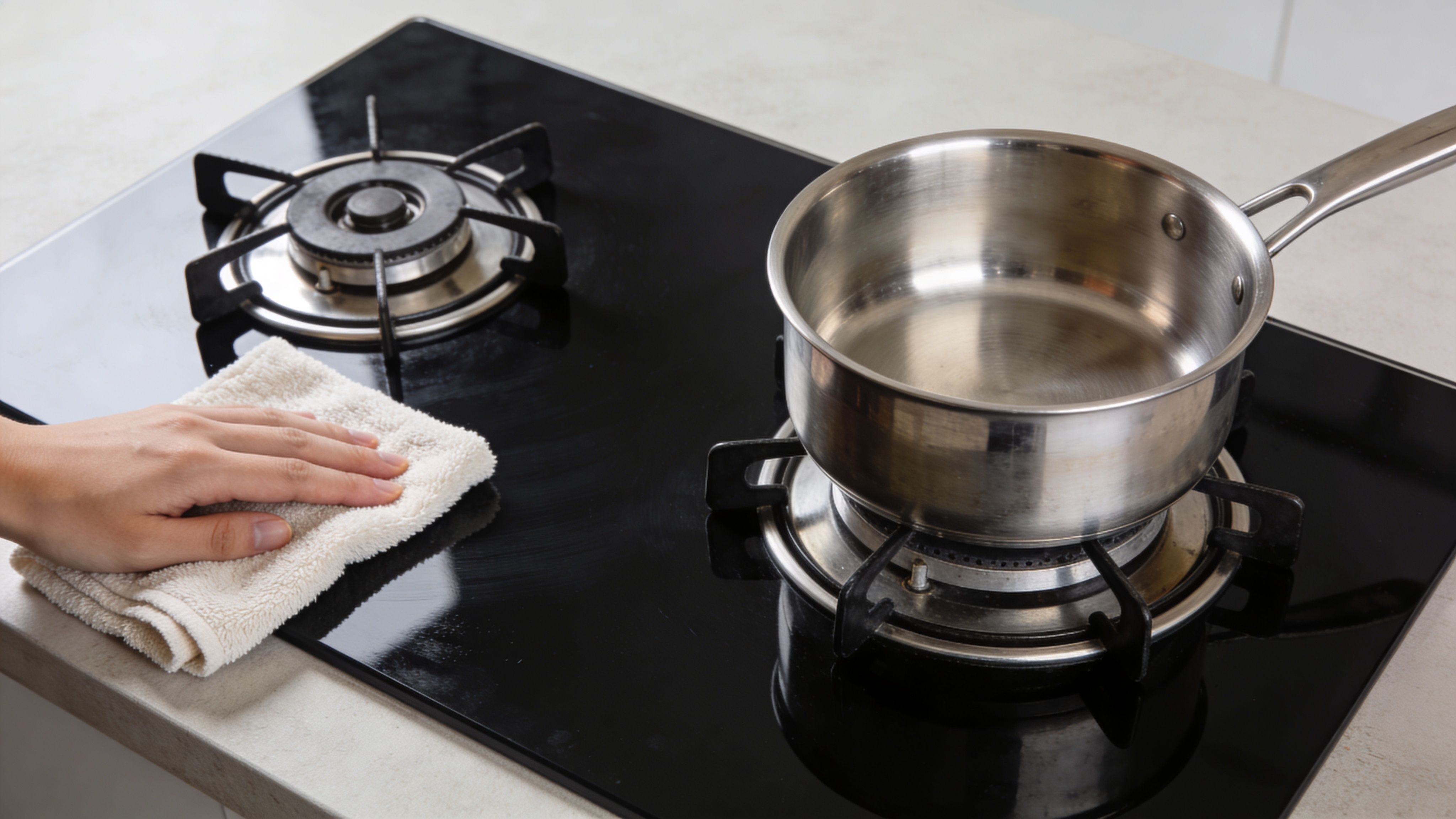
Habits that protect the surface
- Use scraping sparingly and only after residue is softened
- Match the method to the mess so older buildup gets softened first instead of attacked dry
- Apply a protectant periodically if you want easier cleanup later
- Buff dry after rinsing so minerals don't sit on the surface
Reno's hard water can leave white marks that tempt people to scrub harder than they should. That's where damage starts. The dust here doesn't help either. Fine grit on a sponge or cloth can turn a routine wipe-down into light abrasion.
What haze usually means
That hazy look often isn't one big scratch. It's a collection of tiny marks, residue film, or both. Once that wear builds up, the stove loses that deep, glossy finish even right after cleaning.
A little prevention goes a long way here. Wipe spills early, use soft materials, and don't treat every mark like it needs a blade.
When to Call the Pros for Deep Cleaning in Reno NV
Some stovetops cross the line from annoying to time-consuming fast. If the cooktop has years of buildup, if you're handling a move-out, or if the whole kitchen needs a reset, booking deep cleaning Reno NV is often the easier call.
This is especially true for property managers, sellers, and busy households trying to get a home guest-ready or inspection-ready. One stubborn appliance can slow down the whole kitchen.
What's included
A deep clean typically covers the areas that make a kitchen feel fully reset:
- Bathrooms cleaned and detailed
- Kitchen degrease on counters, exterior surfaces, and visible buildup
- Floors vacuumed and mopped
- Baseboards wiped
- Dust removal from reachable surfaces
- Mirrors cleaned
- High-touch disinfecting on common contact points
Optional add-ons can include:
- Inside oven
- Inside fridge
- Inside cabinets
- Wall spot cleaning
- Pet hair focus areas
If you're comparing service options, this page on finding a deep cleaning service near me helps explain what to look for.
Schedule - Clean - Inspect - Enjoy
- Schedule by calling or booking online, then get a confirmation and arrival window
- Clean with cleaners who arrive with supplies and follow a checklist-based service
- Inspect with a quick quality check before wrapping up
- Enjoy walking back into a cleaner home without spending your weekend scrubbing the stove
Most cleans range from $250 to $600 depending on size, condition, and add-ons.
Reno desert dust builds up quicker than many people expect, especially near windows and kitchen vents. Tight weekend schedules don't help when you're already juggling errands across Reno and Sparks.
Your Stovetop Cleaning Questions Answered
Why does my stove look hazy after I cleaned it
The haze is often leftover film, not just wear. Viewer comments discussed in Blueland's cooktop cleaning article show 80% of queries relate to a smelly residue or sticky film left after cleaning , and the fix is a double-rinse protocol with one damp microfiber cloth followed by a separate dry microfiber cloth as described in Blueland's glass stove top cleaning guide.
Are razor blades safe on glass cooktops
They can be, but only with proper angle, light pressure, and softened residue. If you're unsure, start with a plastic scraper or repeat the softening step instead of forcing it.
What causes cloudy white marks around the burners
In Reno, it's often hard water residue. It can also be leftover cleaner that wasn't fully removed. Dry buffing after a damp wipe helps a lot.
Are supplies included if I book a service
Yes. Cleaners arrive with supplies and equipment, which makes it easier if you need a kitchen reset without making another store run.
Book Your Deep Cleaning in Reno NV Today
If your glass stovetop is only part of a bigger kitchen mess, it may be time to stop scrubbing and hand it off. You can book your cleaning appointment online and get the whole home back to a cleaner, easier baseline.
Book your cleaning with Altitude Cleaning Crew - your trusted deep cleaning Reno NV provider in Reno. Call 775-376-5527 or book online - http://altitudecleaningcrew.fieldd.co/