
How to Clean Ceramic Tile: A Reno Homeowner's Guide
Learn how to clean ceramic tile and grout in Reno/Sparks. Our guide covers DIY tips for desert dust, hard water stains, and when to call a pro for a deep clean.

TLDR: If you're trying to clean ceramic tile in Reno or Sparks and the floor still feels gritty after mopping, the problem usually isn't effort. It's dust, rinse technique, grout buildup, or the wrong cleaner. This guide shows what homeowners can handle themselves and when it's smarter to book deep cleaning Reno NV service for a real reset.
If you're reading this, you're probably in the exact spot a lot of Reno and Sparks homeowners hit. You mop, the floor dries, and somehow it still looks dull or feels sandy under bare feet. This is for homeowners, renters, and property managers who want tile that feels clean, looks clean, and in move-out situations, is deposit-ready instead of "good enough from across the room."
That Lingering Grit The Unseen Challenge of Reno Tile Floors
A common Reno complaint goes like this. The kitchen floor looked fine last night, then morning light hits it and every footprint, dust line, and haze mark shows up again.
That frustration makes sense here. Desert winds carry fine dust, mountain pollen works its way in around entries and screens, and hard water can leave a film if the floor is cleaned with too much product or dirty rinse water. Tile hides some of that until sunlight catches it.
The result is a floor that isn't exactly filthy, but never feels finished.
Why mopping alone often disappoints
Ceramic tile usually isn't the hardest part. Grout joints, textured finishes, and tracked-in dust are where the trouble starts. In Reno homes, loose grit gets dragged across the floor fast, especially near entries, kitchens, mudroom paths, and slider doors.
Fine dust doesn't need to look dramatic to make a floor feel dirty. A thin layer is enough to leave that gritty feel after mopping.
A lot of homeowners also clean in the wrong order. If water hits dust first, you get muddy residue instead of removal. If the mop water gets dirty and keeps circulating, you're laying down a film.
For homes fighting constant dust, prevention matters as much as the cleaning itself. A good starting point is improving what comes through the door in the first place with these ways to prevent dust in the house.
What actually works
Clean ceramic tile well and it stays cleaner longer. That usually means:
- Removing dry soil first before any cleaner touches the floor
- Using a pH-neutral product instead of vinegar, ammonia, or random internet mixes
- Rinsing thoroughly so cleaner doesn't dry into haze
- Treating grout separately when the lines are dark, oily, or patchy
That line matters. Routine floor care is a DIY task for many homes. Restoring neglected grout, post-construction dust, or embedded soil usually isn't.
Your Tile Cleaning Toolkit Preparing for Success
On a Reno tile floor, prep is where clean starts. Desert dust settles into grout lines, mountain pollen clings along baseboards, and hard-water residue can turn a simple mop job into streaks if the floor is not set up right first.
Skip the setup, and the rest of the job gets harder.
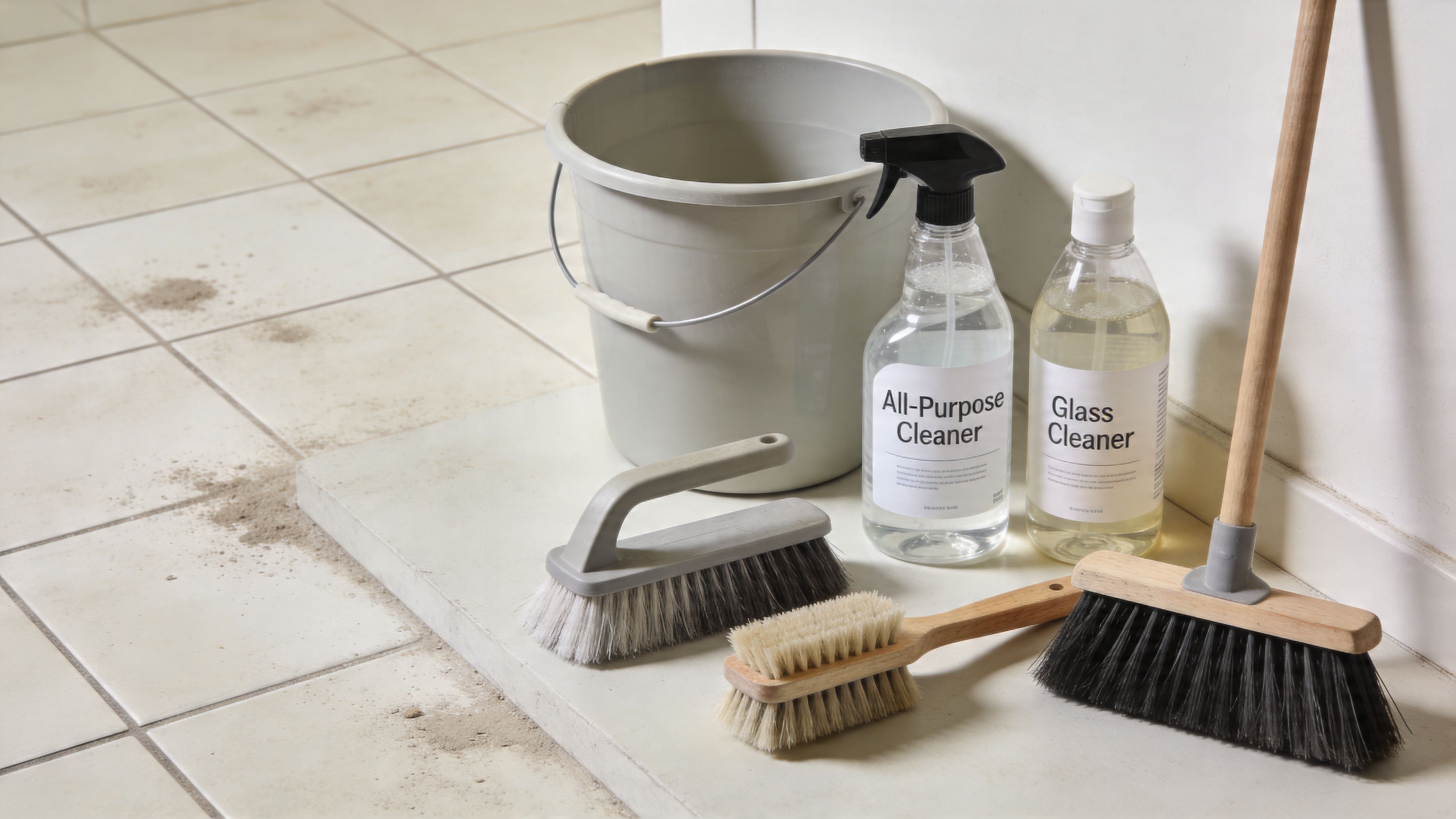
What to gather before you start
Ceramic tile does not need a shelf full of specialty products. It needs tools that remove dry soil well, clean without scratching, and rinse clean. The cleaning supplies list for everyday home use is a solid reference if you are missing the basics.
Keep this kit simple:
- Vacuum with a soft floor setting or hard-floor attachment for corners, grout lines, and edges
- Two buckets so wash water and rinse water stay separate
- Microfiber mop with clean, washable pads
- Nylon grout brush for joints and textured spots
- Soft brush or cloth for delicate finishes and unglazed tile
- pH-neutral tile cleaner labeled for ceramic tile
- Dry microfiber cloths for buffing off residue and drying splash-prone areas
If I walk into a home where tile still feels gritty after mopping, the problem is usually not the cleaner. It is missing dry soil removal, overloaded mop water, or the wrong brush.
What to avoid on ceramic tile
A lot of popular DIY advice creates more cleanup than it saves.
- Vinegar and other acidic cleaners can wear on grout and are a poor match for mineral-heavy hard-water areas
- Ammonia-based products can leave grout looking uneven or dull
- Bleach-heavy mixes are rough on repeated use and easy to overapply
- Abrasive pads and metal brushes can scratch glazed tile and damage surface finishes
- Too much soap leaves the haze people often mistake for dirty tile
A simple rule helps here. If the floor feels slick, sticky, or heavily scented after cleaning, something was left behind.
Prep steps that save time later
Get the floor ready in this order:
- Vacuum slowly, especially along edges, under toe-kicks, and at transitions where Reno dust collects.
- Check a small hidden spot before using any new cleaner.
- Dilute the cleaner exactly to label directions. Stronger is not better on tile.
- Set out separate tools for tile faces and grout lines.
- Keep a few dry cloths nearby for drips, corners, and hard-water spots.
This is well within DIY range for routine care. If the grout is severely darkened, the tile has construction dust packed into texture, or you are dealing with stubborn mineral buildup, that is usually the point where professional tile and grout cleaning saves time and avoids damage.
The Two-Bucket Mop Method That Actually Works
On a Reno tile floor, the mop water gets dirty fast. Desert dust, grit from the entry, and mountain pollen all lift off the surface in the first few passes. If that soil goes back into your cleaning bucket, you end up spreading a light film across the room and wondering why the tile still looks dull after it dries.
The fix is simple. Keep your wash water separate from your rinse water.
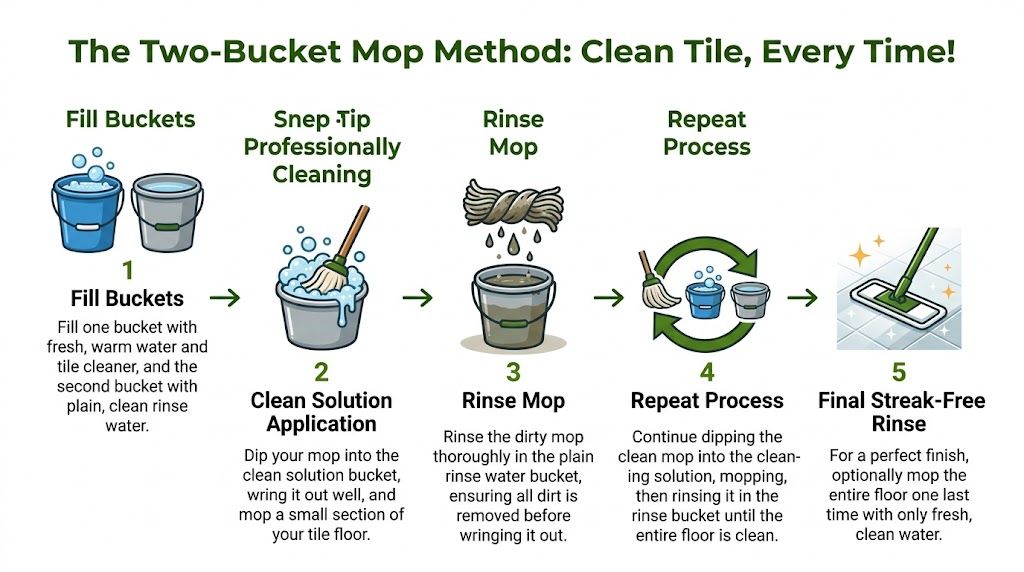
How to do it
Set up one bucket with warm water and a pH-neutral tile cleaner. Fill the second bucket with plain water to rinse the mop head.
Then clean in small sections:
- Mop a limited area so loosened dust does not settle back down before you pick it up
- Wring the mop well so the tile is damp, not wet
- Rinse the mop in the plain-water bucket after each section
- Reload from the cleaner bucket only after the mop has been rinsed
- Change both buckets as soon as the water looks cloudy
That last step matters more than people expect. In homes around Sparks and Reno, I see floors turn streaky because the water was spent halfway through the job, especially near sliders, mud areas, and kitchens.
Where this method helps most
Two buckets solve a common ceramic tile problem. Soil comes off the floor, but it never leaves the mop. Separate rinse water cuts down on haze, helps glazed tile dry cleaner, and leaves less residue in the grout lines.
A few mistakes still cause trouble:
- Too much cleaner leaves a sticky film that grabs new dust
- Too much water can soak into grout joints and slow drying
- Cleaning the whole room at once gives dirty water time to resettle
- Skipping a dry towel pass in problem areas leaves hard-water spots, which show up fast in Reno homes
On ceramic tile, this method is solid DIY maintenance. It works well for weekly cleaning, light kitchen residue, bathroom floors, and tracked-in grit near entrances. For a room-by-room walkthrough, this guide on how to clean tile floors pairs well with the two-bucket method.
It has limits. It will not pull packed dirt out of textured tile, remove deep grout discoloration, or fix mineral buildup from hard water. Once the floor has crossed into that territory, stronger scrubbing usually creates frustration before it creates results.
How to Deep Clean Grout Without Damaging It
Grout is usually the part people mean when they say their tile "won't come clean." The tile face may be fine. The joints are what hold grease, body oils, soap film, and ground-in dirt.
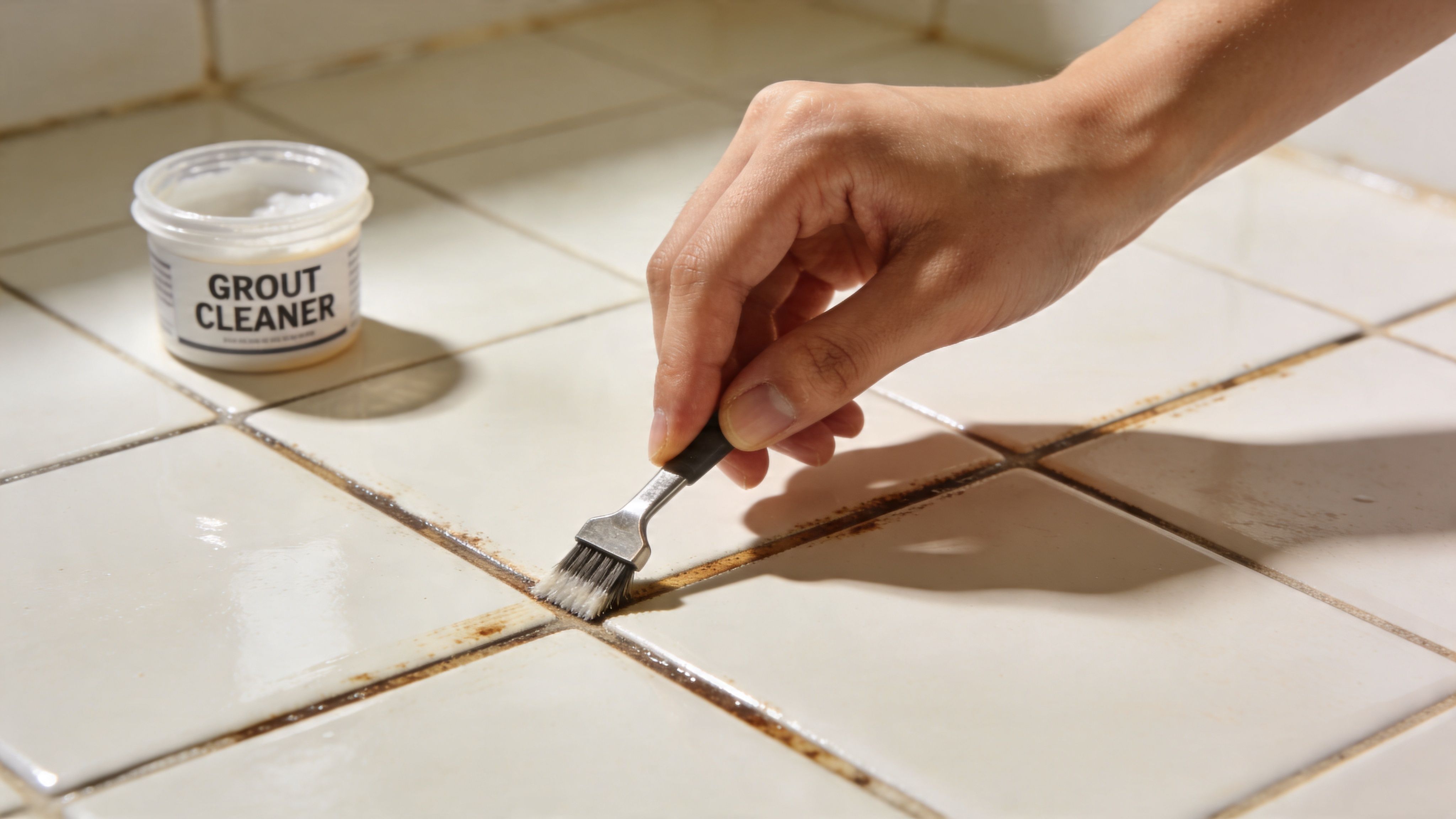
Professional tile guidance also points out something homeowners often learn the hard way. Sealing grout doesn't stop buildup from grease, body oils, and scum, and routine cleaning usually won't remove that once it sets in. Manufacturer guidance from American Olean's ceramic tile care resources also warns that vinegar or ammonia mixes can erode or discolor grout.
A safer grout-cleaning approach
Start with the chemistry that matches the problem. Most household grout soil is oily, dusty, or soap-based. That's why neutral tile-safe cleaners are the safer default.
Use this sequence:
- Vacuum first so you aren't grinding loose grit into the joints.
- Apply tile-safe cleaner to a manageable section.
- Let it dwell briefly instead of scrubbing immediately.
- Agitate grout lines with a small nylon brush.
- Wipe and rinse thoroughly.
- Dry the area so residue doesn't stay in the pores.
What works and what doesn't
| Problem | Usually works | Usually backfires |
|---|---|---|
| Kitchen grease in grout | pH-neutral tile-safe cleaner and agitation | oily soaps and heavy fragrance cleaners |
| Bathroom buildup | neutral cleaner, brush, full rinse | vinegar blends and ammonia sprays |
| Dark traffic lanes | repeat cleaning with proper rinse | mopping over it and hoping it lifts |
A quick visual helps if you want to see brush technique and dwell timing before you start.
When DIY grout cleaning stops being worth it
If grout is dark from years of buildup, if a rental needs to be inspection-ready, or if construction dust has settled into the joints, homeowners often spend a lot of time for a partial improvement.
Grout cleaning is a separate task, not just "mopping harder."
That doesn't mean don't try. It means be realistic. Light discoloration is often a DIY win. Deep-set grime, widespread haze, and whole-home grout restoration usually call for stronger process control and extraction than a brush and bucket can provide.
Troubleshooting Tough Stains and Tricky Unglazed Tiles
Not every tile problem is general dirt. Some are specific, and the fix depends on what got into the surface.
If the problem is oily kitchen residue
Use a pH-neutral cleaner, give it dwell time, then agitate with a nylon brush or microfiber pad. Rinse thoroughly. If you skip the rinse, the floor can look worse once it dries because loosened soil and cleaner both stay behind.
If the problem is hard-water film
The tile may look cloudy even after a decent mop job, especially in bathrooms or around entries where wet shoes dry on the floor. In Reno and Sparks, mineral-heavy water can leave a dull cast if too much product is used or if the floor isn't dried well.
A good first step is improving technique, then checking these ways to remove hard water stains when the haze seems tied to mineral residue rather than dirt.
If the tile is unglazed or matte
A lot of generic advice falls apart here.
Unglazed ceramic and some matte porcelain surfaces are more porous and can trap dirt even when they look smooth. Homeowners often describe white unglazed tile as a " dirt magnet", and that matches what shows up in real-world discussions about these floors. The safer protocol is described in this Houzz discussion on dirt trapped in unglazed porcelain tile: mist with a pH-neutral cleaner, allow dwell time, agitate with a soft brush, rinse thoroughly, and avoid abrasive or acidic shortcuts.
Quick diagnosis list
- Tile looks dull only after drying \- likely residue or hard-water film
- Grout stays dark after mopping \- likely embedded buildup, not surface dust
- Texture grabs every footprint \- often a matte or more porous finish
- Scrubbing makes no visible difference \- cleaner may be wrong, or the issue may be embedded soil that needs extraction
On unglazed tile, more scrubbing isn't always better. Gentler chemistry and better rinsing usually beat force.
When to Book Professional Tile and Grout Cleaning in Reno
A ceramic tile floor in Reno can look mopped and still feel dirty underfoot. Fine desert dust settles into grout lines, textured finishes hold onto soil, and hard-water residue can leave the floor looking flat even after a careful pass with the mop. That is usually the point where DIY cleaning stops being a good use of time.
Professional service makes the biggest difference when the problem is below the surface, not sitting on top of it. In Reno and Sparks homes, that usually means grout that stays dark, post-construction dust packed into texture, or matte and unglazed tile that keeps showing traffic marks no matter how often it gets cleaned.
- Move-out or move-in cleaning where dingy grout affects the whole room
- Post-remodel or post-construction cleanup with fine dust in joints and edges
- Large tile areas with visible traffic lanes or sticky residue buildup
- Bathrooms and entries with hard-water film, tracked-in grit, or ground-in soil
- Unglazed or matte ceramic tile that needs careful chemistry and strong rinsing
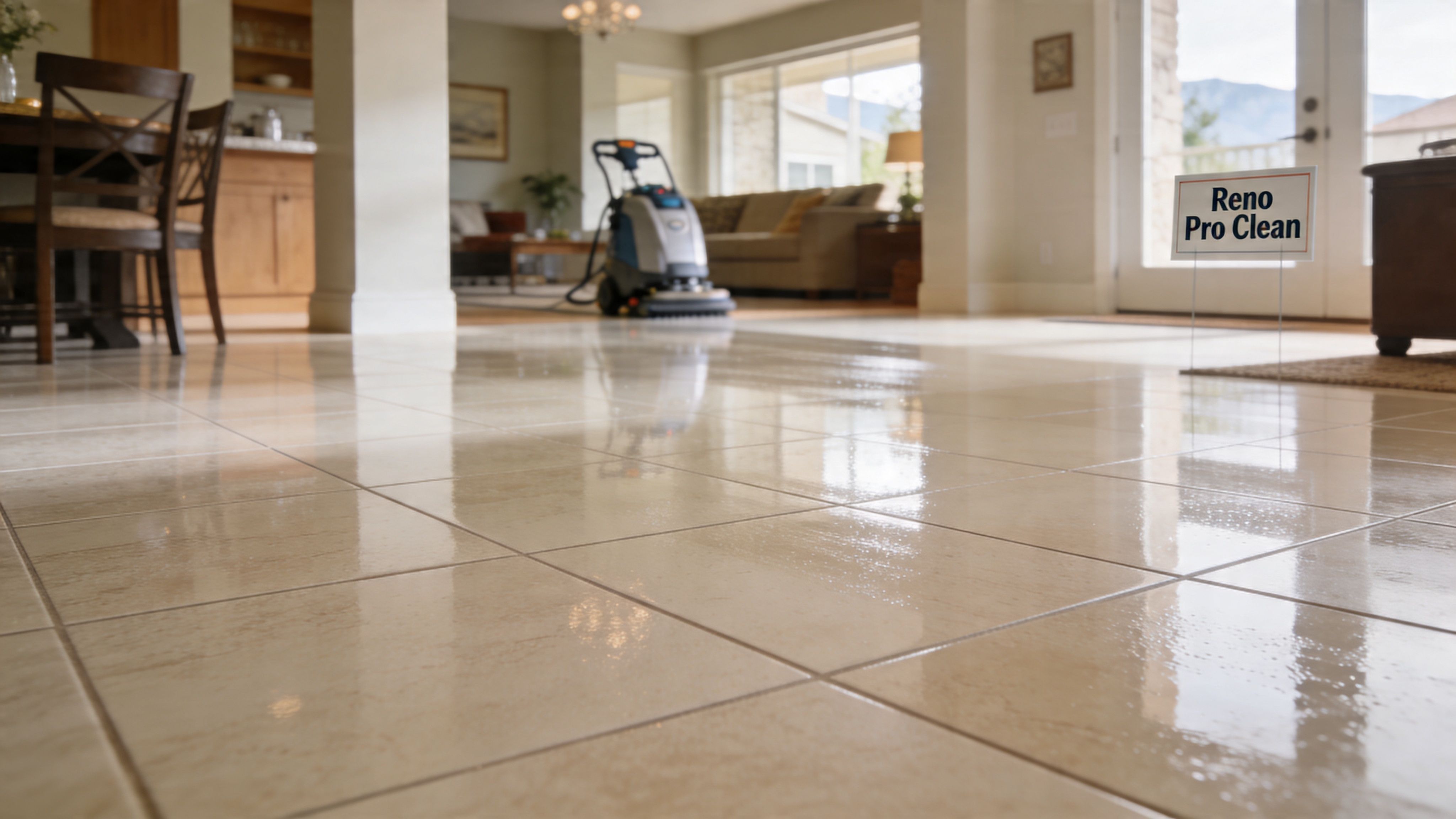
Extraction is the advantage. A mop can loosen soil. It cannot pull much dirty water back out of grout and textured tile. Professional tile and grout cleaning uses agitation, controlled cleaning agents, and high-pressure rinse and recovery equipment to flush out embedded soil instead of spreading it around. The Tile Council of North America notes that routine maintenance needs to match the tile and grout type, and that heavily soiled grout and textured surfaces often require restorative cleaning methods beyond normal mopping, as outlined in the TCNA guide to ceramic and glass tile care and maintenance.
What is usually included depends on the company and the condition of the home. For tile-focused deep cleaning, the scope often includes floor vacuuming, edge work along baseboards, grout-line attention in kitchens and bathrooms, and detail cleaning in the spots where Reno dust settles first. Some appointments also bundle in mirrors, fixtures, counters, and high-touch surfaces, especially for move-out, rental-turn, or post-construction jobs.
Optional add-ons often include inside ovens, refrigerators, cabinets, wall spot cleaning, and extra attention to pet hair or odor-prone areas.
One local option is Altitude Cleaning Crew, which offers deep cleaning, move-in and move-out cleaning, and post-construction cleaning where tile and grout detail work fits naturally into a checklist-based visit.
Schedule Clean Inspect Enjoy
Schedule. Book a time that fits the home and the job. Bigger tile areas, construction dust, and neglected grout usually need more than a quick stop.
Clean. The crew brings the equipment, tests the floor if needed, and adjusts the process for glazed ceramic, textured tile, or more sensitive finishes.
Inspect. A final check catches residue, missed corners, and any grout lines that need another pass.
Enjoy. The floor feels reset instead of temporarily improved.
Price range
Most cleans range from $250 to $700 depending on size, condition, and add-ons.
That range can shift fast in Reno homes after a remodel, during windy months, or in entry-heavy layouts where dust and mountain pollen keep getting tracked onto ceramic tile. For a small bathroom with light soil, DIY is usually reasonable. For a whole house with dirty grout lines and a layer of fine grit that keeps coming back, professional cleaning is often cheaper than spending a weekend scrubbing and still not getting the floor fully clean.
Long-Term Care Sealing and Prevention for Lasting Results
A deep-cleaned ceramic tile floor stays that way longer if the daily routine matches Reno conditions. Fine desert dust acts like sandpaper under shoes, mountain pollen sticks along edges and grout lines, and hard water can leave film anywhere damp mopping dries too slowly. Long-term care is less about heavy scrubbing and more about cutting down what reaches the tile in the first place.
Prevention habits that make a real difference
Start at the doors. Use a mat outside and another just inside, especially at garage entries, sliders, and any path from a patio or yard. That simple setup catches a surprising amount of grit before it gets ground into ceramic tile and grout.
Then stay ahead of dry soil. Vacuum or dust mop often enough that the floor never feels sandy underfoot. In Reno and Sparks, that usually matters more than adding stronger cleaners. Grit is the problem most weeks.
A few other habits help:
- Wipe spills fast , especially on grout and textured ceramic tile
- Use a pH-neutral tile cleaner sparingly so you do not leave residue behind
- Rinse well after washing if the floor still feels tacky or looks dull
- Dry damp areas around showers, tubs, and kitchen sinks to reduce mineral film from hard water
What sealing does, and what it does not do
Sealing grout can help slow staining and make routine cleanup easier. It does not make grout stain-proof, and it does not replace regular cleaning. If the grout is still dingy, sealing it just traps that look in place.
Clean first. Let the grout dry fully. Then seal if the grout is porous and still absorbs water instead of beading it on the surface.
That step is often worth doing in busy Reno homes with kids, pets, patio traffic, or short-term rental turnover. On the other hand, if you have glazed ceramic tile with dense grout in a low-traffic guest bath, sealing may not need to be a top priority.
DIY vs professional help
Homeowners can usually handle maintenance cleaning and even grout sealing in small areas if they are patient about prep and drying time. Whole-house sealing jobs take longer than people expect, and uneven application can leave haze or missed sections.
Professional service makes more sense when grout is heavily stained, the tile has a textured or unglazed finish, or hard-water buildup keeps coming back in bathrooms. That is where the right equipment and product choice save time and prevent damage.
For Reno and Sparks homes, the best long-term plan is simple. Keep dry dust under control, use less cleaner, deal with water spots early, and seal grout when it will help. That approach keeps ceramic tile looking clean without turning routine care into a constant battle.
Your Reno Tile Cleaning Questions Answered
Can you get hard-water haze off shower or bathroom tile
Often, yes. The first step is figuring out whether you're seeing mineral film, soap residue, or actual surface damage. Those look similar from a distance but clean very differently.
Can you handle post-construction dust on tile floors
Yes. That kind of dust is finer than everyday household dirt and tends to settle into grout joints, edges, and textured surfaces. It usually takes more than a quick mop to get rid of the gritty feel.
Are supplies included
For professional cleaning, they should be. A proper tile job needs the right vacuums, mops, brushes, and tile-safe products, not whatever happens to be under the sink.
What if I have pets or a tight weekend schedule
Access instructions can usually be arranged in advance, and pet-sensitive areas can be noted on the checklist. That's especially useful in Reno and Sparks, where weekends move fast and tracked-in dust builds up around doors, feeding stations, and patio paths.
If you're done fighting haze, dirty grout lines, or that sandy feel underfoot, professional help can save a lot of trial and error.
Book your cleaning with Altitude Cleaning Crew - your trusted deep cleaning Reno NV provider in Reno. Call 775-376-5527 or book online - http://altitudecleaningcrew.fieldd.co/